PROFESSIONAL COMPREHENSIVE MEP MAINTENANCE SERVICES WITH MODERN WORKFLOWS
1. Overview of Comprehensive MEP Maintenance Services
In modern facilities such as office buildings, shopping malls, hotels, factories, industrial plants, hospitals, and high-end residential developments, the Mechanical, Electrical, and Plumbing (MEP) system serves as the backbone of the entire building. It directly influences operational stability, occupant safety, energy efficiency, and the long-term performance of the facility.
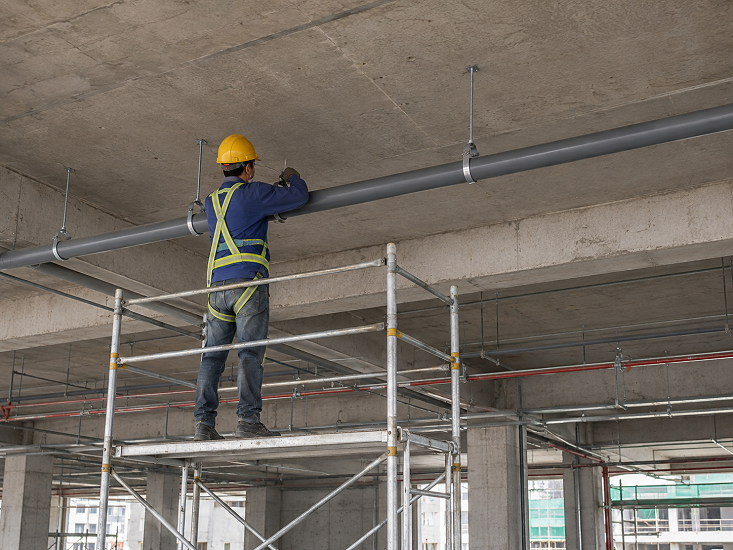
As buildings continue to operate over time, MEP equipment naturally experiences wear and tear. Components gradually deteriorate, operating efficiency declines, and unexpected technical issues may arise if the systems are not inspected and maintained regularly. Even minor faults that go unnoticed can eventually develop into major failures, resulting in costly repairs, operational downtime, and potential safety hazards.
Table of Contents
ToggleTo address these challenges, comprehensive MEP maintenance services provide a complete and proactive solution for inspecting, servicing, repairing, and optimizing all building engineering systems. Rather than responding only after failures occur, preventive maintenance focuses on identifying potential issues early and ensuring that every component continues to perform at its optimal level.
Partnering with a professional MEP maintenance contractor not only minimizes unexpected breakdowns but also improves operational reliability, reduces maintenance costs, enhances energy efficiency, and significantly extends the service life of valuable mechanical and electrical assets. This allows building owners, facility managers, and businesses to focus on their core operations while ensuring that their infrastructure remains safe, compliant, and fully operational.
2. What Does an MEP System Include?
To better understand the scope of comprehensive maintenance services, it is important to understand the structure of an MEP system. In general, an MEP installation consists of three major engineering disciplines that work together to ensure the safe and efficient operation of a building.
2.1. Mechanical Systems
Mechanical systems include heating, ventilation, air conditioning, and other environmental control equipment, such as:
- Central Heating, Ventilation, and Air Conditioning (HVAC) systems
- Chillers, Air Handling Units (AHUs), and Fan Coil Units (FCUs)
- Fresh air ventilation and exhaust air systems
- Smoke extraction systems for fire safety
- Staircase pressurization systems for emergency evacuation
These systems play a vital role in maintaining indoor air quality, regulating temperature and humidity, and creating a comfortable environment for occupants. Routine maintenance helps improve energy efficiency, reduce equipment wear, and ensure uninterrupted system performance.
2.2. Electrical Systems
The electrical system provides and distributes power throughout the entire building. It generally includes:
- Main electrical power supply and distribution systems
- Low-voltage switchboards and distribution panels
- Power transformers and associated protection equipment
- Emergency diesel generators for backup power
- Interior, exterior, and emergency lighting systems
- Extra Low Voltage (ELV) systems for communications and security
Because every building operation depends on a stable electrical supply, these systems require regular inspections and preventive maintenance to ensure operational safety, minimize power interruptions, and reduce the risk of electrical failures or fire hazards.
2.3. Plumbing Systems
The plumbing system is responsible for supplying clean water and safely removing wastewater. It generally consists of:
- Domestic cold and hot water supply systems
- Wastewater and sanitary drainage systems
- Water pumping and pressure boosting systems
- Water treatment and filtration systems
- Water storage tanks and associated piping networks
Proper maintenance of plumbing systems helps ensure a reliable water supply, prevents leakage and contamination, protects public health, and supports the daily operation of the building.
3. Why Is Regular MEP Maintenance Important?
Many building owners and facility operators only repair equipment after a failure has occurred. Although this reactive approach may appear to reduce maintenance costs in the short term, it often results in significantly higher repair expenses, prolonged downtime, and unnecessary operational risks.
A preventive maintenance program offers substantial long-term benefits by identifying potential problems before they develop into serious failures.
3.1. Preventing Major Equipment Failures
Minor issues may appear insignificant during daily operation, but they can quickly develop into serious incidents if left unresolved. Common examples include:
- Electrical leakage caused by damaged insulation
- Blocked pipelines restricting water flow
- Loose electrical connections generating excessive heat
- Worn ventilation fans reducing airflow performance
- Abnormal equipment vibration indicating mechanical wear
Regular inspections enable maintenance engineers to detect these problems at an early stage and correct them before they lead to electrical fires, flooding, complete system shutdowns, or costly equipment failures.
3.2. Extending Equipment Service Life
Most MEP equipment represents a significant long-term investment. Proper maintenance helps protect these assets by:
- Reducing mechanical wear and component deterioration
- Maintaining equipment at optimal operating performance
- Minimizing unexpected breakdowns and emergency repairs
- Extending the overall service life of major equipment
- Maximizing the return on long-term capital investment
As a result, organizations can delay costly equipment replacement while maintaining reliable building operations.
3.3. Reducing Operating Costs
Poorly maintained equipment consumes more electricity, water, and maintenance resources than systems operating under optimal conditions. Preventive maintenance helps improve efficiency by:
- Cleaning heat exchange surfaces to improve cooling performance
- Replacing clogged filters to reduce fan energy consumption
- Tightening electrical connections to prevent overheating
- Maintaining pumps for efficient hydraulic performance
- Calibrating equipment to operate at designed efficiency
Improved system performance leads to lower utility bills, reduced repair costs, and more efficient facility operation.
3.4. Ensuring Regulatory Compliance
Certain building systems—including fire protection systems, electrical installations, emergency power equipment, and elevators—must undergo periodic inspection and maintenance to comply with applicable regulations and safety standards.
Routine maintenance helps organizations:
- Comply with legal and regulatory requirements
- Pass mandatory safety inspections successfully
- Maintain operational licenses and certifications
- Reduce legal liabilities and compliance risks
- Keep complete maintenance records for future audits
Proper documentation also demonstrates that building systems are maintained according to recommended engineering practices and applicable industry standards.
4. What Is a Comprehensive MEP Maintenance Service?
A comprehensive MEP maintenance service is an integrated facility management solution in which a professional contractor assumes responsibility for maintaining, inspecting, servicing, repairing, and monitoring all building engineering systems throughout their operational lifecycle.
The service typically includes:
- Performing scheduled inspections across all MEP systems
- Carrying out preventive maintenance on critical equipment
- Troubleshooting and repairing unexpected equipment failures
- Replacing worn or damaged components when necessary
- Managing maintenance records and equipment histories
Instead of coordinating multiple contractors for different engineering disciplines, building owners can rely on a single experienced service provider to manage the complete MEP infrastructure. This integrated approach simplifies maintenance management, improves communication, enhances system reliability, and ensures consistent engineering standards across the entire facility.
5. Detailed Scope of Comprehensive MEP Maintenance Services
5.1. Electrical System Maintenance
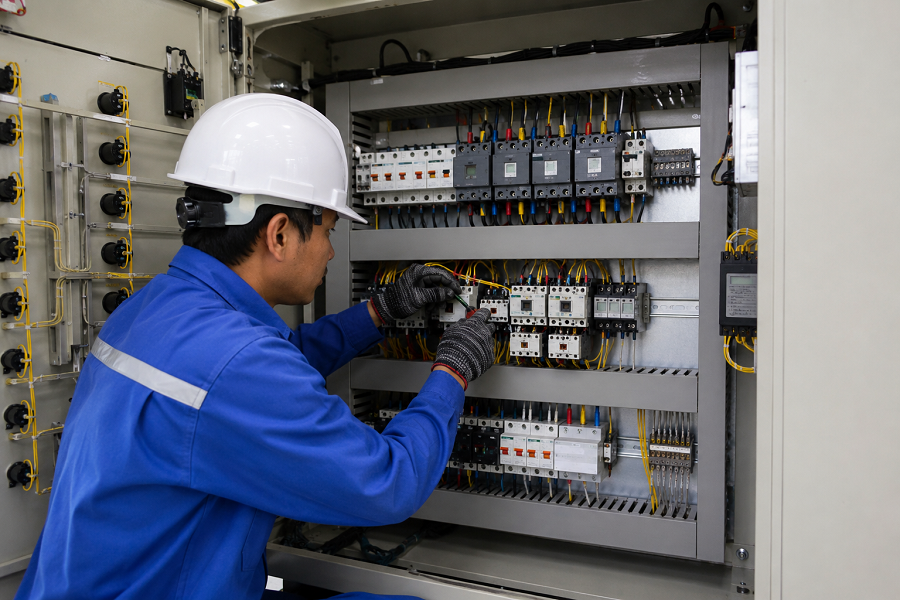
Electrical maintenance services generally include:
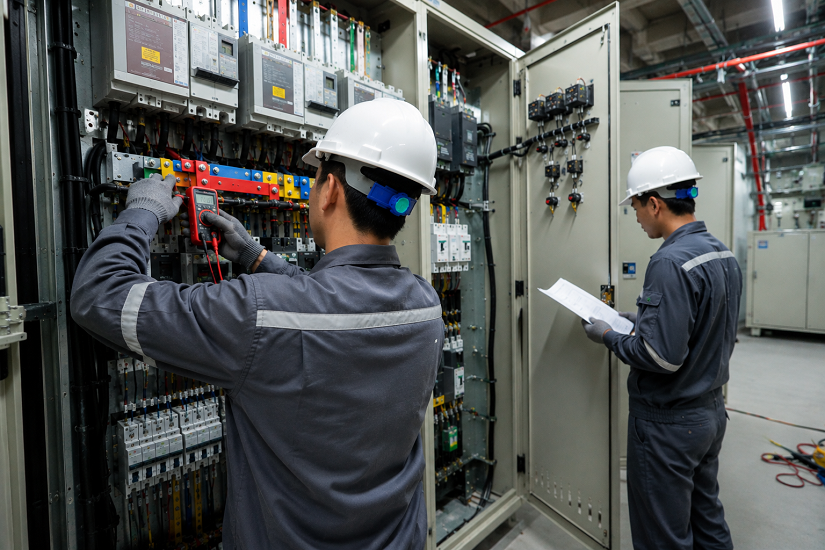
- Inspecting switchboards, distribution panels, and control cabinets
- Examining electrical cables, wiring, and terminal connections
- Measuring voltage, current, power factor, and load conditions
- Detecting overloads and abnormal electrical operating parameters
- Inspecting grounding and lightning protection systems
- Servicing emergency diesel generators and transfer switches
- Inspecting UPS systems and backup power equipment
Routine electrical maintenance improves operational reliability, enhances workplace safety, reduces equipment failures, and minimizes the risk of electrical fires.
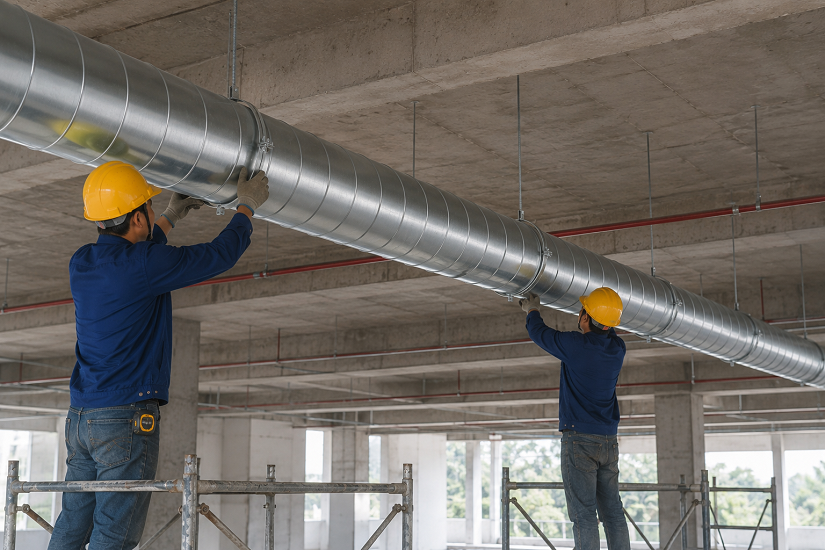
5.2. HVAC System Maintenance
Typical HVAC maintenance activities include:
- Cleaning indoor and outdoor air-conditioning units thoroughly
- Checking refrigerant pressure and replenishing refrigerant when required
- Servicing chillers, AHUs, FCUs, and associated equipment
- Inspecting ventilation fans, motors, and drive assemblies
- Cleaning air ducts, diffusers, and ventilation grilles
- Inspecting belts, bearings, dampers, and control devices
- Testing overall HVAC operating performance and efficiency
Regular maintenance ensures efficient cooling performance, improves indoor air quality, lowers energy consumption, and extends the service life of HVAC equipment.
5.3. Plumbing System Maintenance
Plumbing maintenance services typically include:
- Inspecting and servicing domestic water pumps
- Clearing blocked drainage and wastewater pipelines
- Detecting and repairing leaks in piping systems
- Cleaning domestic water storage tanks regularly
- Inspecting valves, fittings, and piping connections
- Measuring water pressure and system performance
Routine maintenance helps ensure a stable water supply, prevents water loss, reduces contamination risks, and supports reliable building operation.
5.4. Fire Protection System Maintenance
Fire protection maintenance generally includes:
- Inspecting smoke detectors and heat detectors
- Testing automatic sprinkler system operation
- Servicing fire pumps and jockey pumps
- Inspecting fire alarm control panels and interfaces
- Testing emergency notification and alarm devices
- Verifying overall fire protection system functionality
Because fire protection systems safeguard lives and property, they require strict maintenance procedures, accurate testing, and full compliance with applicable fire safety standards.
5.5. Extra Low Voltage (ELV) System Maintenance
ELV maintenance services generally cover:
- Closed-Circuit Television (CCTV) surveillance systems
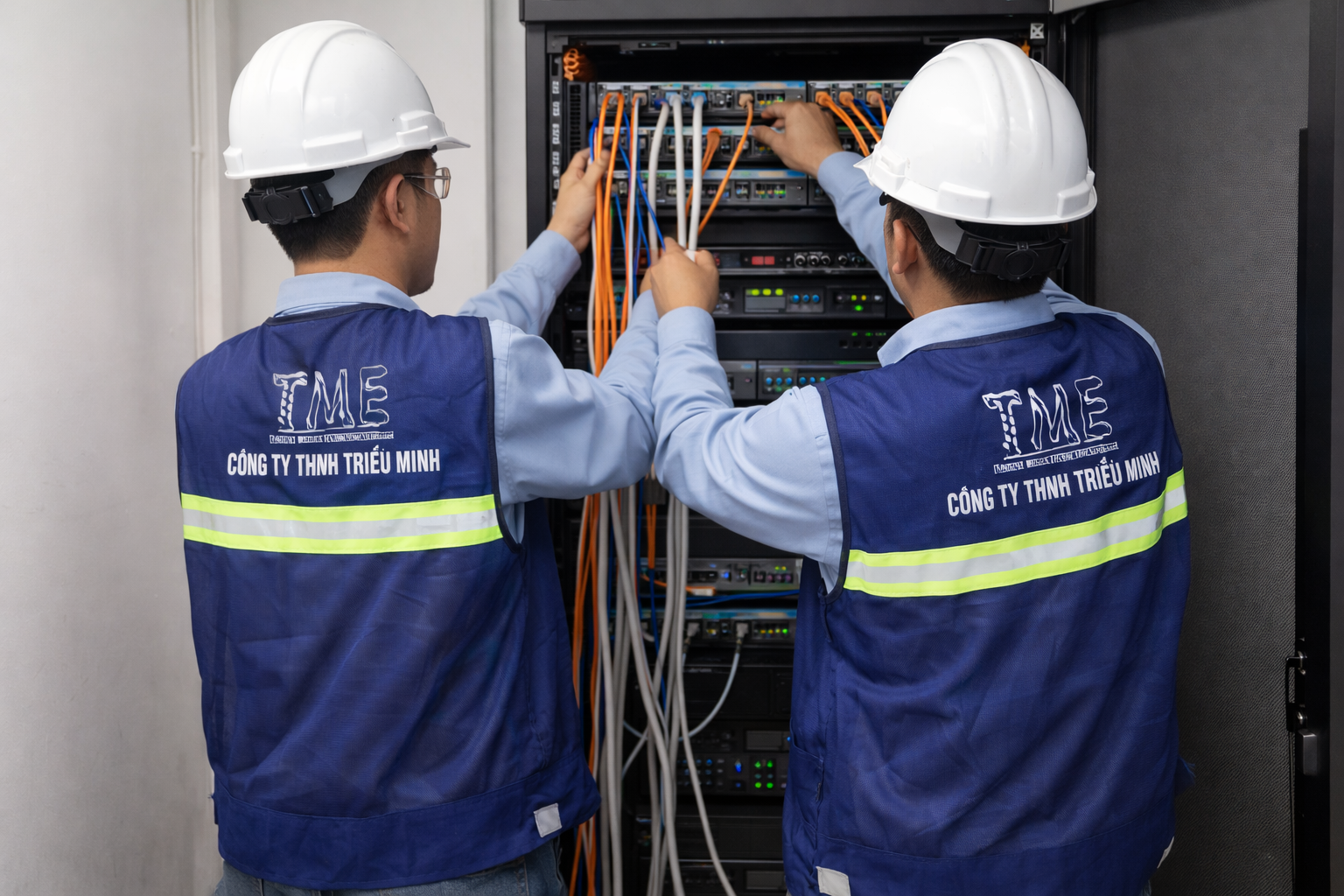
- Structured cabling and local area network infrastructure
- Access control and attendance management systems
- Public address and emergency announcement systems
- Telephone, intercom, and communication systems
- Integrated building security monitoring equipment
Regular ELV maintenance improves building security, enhances communication reliability, supports intelligent building management, and ensures continuous operation of critical low-voltage systems.
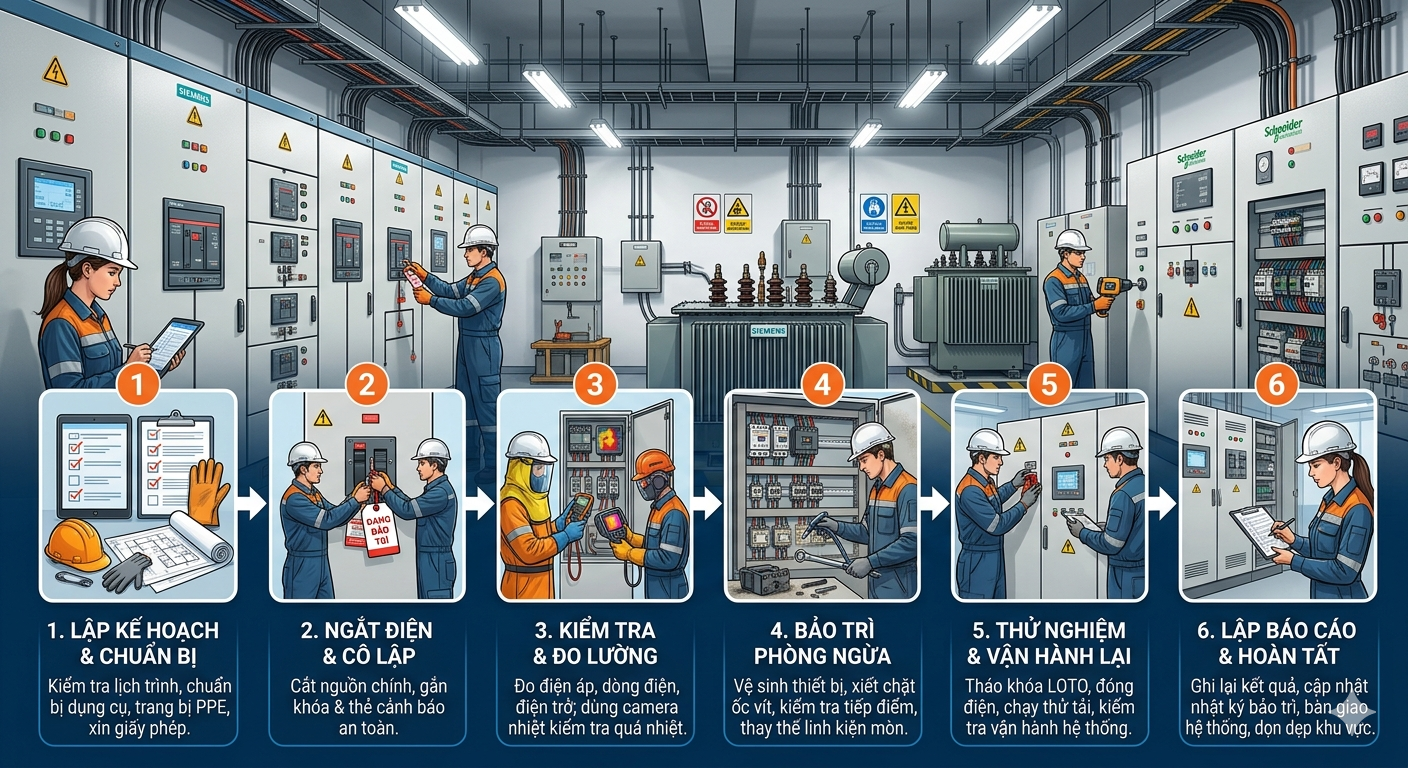
6. Professional MEP Maintenance Procedure
A professional MEP maintenance program follows a structured and systematic workflow to ensure that every mechanical, electrical, and plumbing system operates safely, efficiently, and reliably. By following standardized maintenance procedures, contractors can identify potential issues early, reduce equipment downtime, improve maintenance quality, and ensure compliance with applicable engineering standards.
Step 1. Site Survey and System Assessment
The maintenance process begins with a comprehensive inspection of the building’s existing MEP systems. During this stage, maintenance engineers evaluate equipment conditions, review technical documentation, and identify operational risks that may affect system performance.
The initial assessment typically includes:
- Inspecting the overall condition of all mechanical and electrical equipment.
- Reviewing previous maintenance records and equipment service histories.
- Identifying signs of wear, corrosion, leakage, or abnormal operation.
- Measuring critical operating parameters and equipment performance.
- Assessing safety risks and potential system vulnerabilities.
A detailed site survey enables engineers to develop an effective maintenance strategy based on the actual operating condition of each building system.
Step 2. Maintenance Planning
Following the site assessment, engineers prepare a detailed maintenance plan that reflects the building’s operational requirements, equipment condition, and maintenance priorities.
The maintenance plan generally includes:
- Developing monthly, quarterly, and annual maintenance schedules.
- Defining inspection frequencies for each engineering system.
- Preparing preventive maintenance checklists for every equipment category.
- Estimating manpower, spare parts, and required maintenance resources.
- Establishing emergency response procedures for critical equipment.
A well-planned maintenance schedule helps reduce operational disruptions while ensuring that maintenance activities are performed efficiently and consistently.
Step 3. Performing Preventive Maintenance
After the maintenance plan has been approved, qualified technicians perform preventive maintenance according to standardized procedures and manufacturer recommendations.
Typical maintenance activities include:
- Cleaning equipment surfaces and critical internal components.
- Lubricating bearings, motors, and moving mechanical assemblies.
- Tightening electrical terminals and mechanical fastening points.
- Adjusting operating parameters to maintain optimal performance.
- Replacing worn consumables and deteriorated replacement parts.
- Testing equipment after every completed maintenance activity.
Every maintenance task is completed using standardized inspection checklists to ensure consistent quality, technical accuracy, and full compliance with engineering standards.
Step 4. System Testing and Performance Verification
Once maintenance work has been completed, engineers perform a comprehensive series of operational tests to verify that every system functions correctly before returning it to normal service.
Verification procedures typically include:
- Testing the operating performance of serviced equipment.
- Measuring electrical and mechanical operating parameters.
- Verifying stable operation under normal working conditions.
- Checking protection devices, alarms, and control functions.
- Confirming compliance with technical specifications and safety standards.
This verification stage ensures that maintenance objectives have been achieved and that the entire MEP system is ready for reliable operation.
Step 5. Maintenance Reporting and Technical Recommendations
Upon completion of all maintenance activities, the contractor prepares a comprehensive maintenance report documenting equipment conditions, completed work, and future recommendations.
The maintenance report normally includes:
- Summarizing inspection findings for each engineering system.
- Recording all maintenance and repair activities performed.
- Evaluating the current operating condition of major equipment.
- Identifying components requiring future repair or replacement.
- Recommending system improvements to enhance performance.
- Proposing maintenance schedules for the next service cycle.
Comprehensive reporting provides building owners with valuable technical information that supports long-term asset management, maintenance planning, and operational budgeting.
Step 6. Ongoing Technical Support and System Monitoring
Professional MEP maintenance services continue beyond scheduled maintenance visits. Continuous monitoring and technical support help ensure stable system operation throughout the service contract period.
Ongoing support services generally include:
- Monitoring equipment performance throughout normal building operation.
- Providing technical consultation for operational and maintenance issues.
- Responding quickly to unexpected equipment failures and emergencies.
- Assisting with troubleshooting during urgent system malfunctions.
- Updating maintenance records after every completed service visit.
Continuous technical support enables building owners to detect potential issues early, minimize unexpected downtime, and maintain reliable operation of all MEP systems.
7. Benefits of Comprehensive MEP Maintenance Services
Selecting a comprehensive MEP maintenance service provides significant long-term value for building owners, facility managers, and business operators. In addition to ensuring stable system operation, professional maintenance helps reduce operating costs, improve energy efficiency, extend equipment lifespan, and enhance the overall reliability of building infrastructure.
7.1. Reducing Staffing and Facility Management Costs
Outsourcing MEP maintenance allows organizations to avoid the substantial investment required to build and maintain an in-house technical team.
Key cost-saving benefits include:
- Eliminating recruitment costs for dedicated maintenance personnel.
- Reducing employee salaries, insurance, and welfare expenses.
- Minimizing investment in maintenance tools and testing equipment.
- Lowering ongoing technical training and certification costs.
- Allowing management to focus on core business activities.
By outsourcing maintenance to experienced professionals, organizations can optimize operational costs while maintaining high-quality engineering support.
7.2. Access to Highly Qualified Engineering Professionals
Professional MEP contractors employ experienced engineers and certified technicians with extensive knowledge across multiple building engineering disciplines.
Their technical expertise typically includes:
- Electrical power generation and distribution systems.
- HVAC equipment and mechanical ventilation systems.
- Domestic water supply and drainage infrastructure.
- Fire protection and life safety systems.
- ELV, communication, and security installations.
- Building automation and intelligent control systems.
Their technical expertise enables faster fault diagnosis, more accurate repairs, and more effective preventive maintenance throughout the facility.
7.3. Rapid Emergency Response
One of the greatest advantages of comprehensive maintenance services is the availability of professional technical support whenever unexpected failures occur.
Emergency support commonly covers situations such as:
- Unexpected electrical power interruptions or equipment failures.
- HVAC breakdowns affecting indoor environmental conditions.
- Water leakage, pipe bursts, or pump malfunctions.
- Fire protection system alarms or equipment failures.
- Critical mechanical equipment requiring immediate attention.
Rapid emergency response minimizes operational downtime, protects valuable assets, and helps restore normal building operations as quickly as possible.
7.4. Optimizing Overall System Performance
Routine inspection, cleaning, adjustment, and preventive maintenance keep every engineering system operating at maximum efficiency throughout its service life.
Regular maintenance helps organizations:
- Improve equipment operating efficiency and reliability.
- Reduce unnecessary electricity and utility consumption.
- Maintain stable performance under varying operating conditions.
- Minimize unexpected equipment failures and shutdowns.
- Extend maintenance intervals through proactive servicing.
Improved operating efficiency results in lower utility costs, fewer emergency repairs, and greater long-term reliability across all building systems.
7.5. Extending Equipment Service Life and Protecting Building Assets
Major MEP equipment represents a significant long-term investment, making proper maintenance essential for protecting building assets and maximizing return on investment.
Routine preventive maintenance helps:
- Reduce long-term mechanical wear and equipment deterioration.
- Prevent premature failure of critical engineering components.
- Maintain equipment performance at manufacturer specifications.
- Extend the operational lifespan of valuable building assets.
- Maximize long-term return on infrastructure investment.
Consistent maintenance not only protects expensive equipment but also improves the reliability, safety, and overall value of the entire facility.
8. Common Types of Comprehensive MEP Maintenance Service Packages
8.1. Scheduled Preventive Maintenance Package
This is the most common and cost-effective maintenance option. It focuses on routine inspections, cleaning, servicing, and condition assessments performed at predefined intervals, such as monthly, quarterly, semi-annually, or annually.
This package is particularly suitable for:
- Office buildings with standard engineering systems.
- Small commercial buildings and retail facilities.
- Residential apartment buildings and condominiums.
- Educational institutions and administrative offices.
- Buildings with relatively simple MEP installations.
Typical maintenance services include:
- Inspecting equipment operating conditions and system performance.
- Cleaning critical components to maintain operating efficiency.
- Measuring electrical, mechanical, and hydraulic parameters.
- Lubricating moving parts and tightening loose connections.
- Preparing maintenance reports with technical recommendations.
Scheduled preventive maintenance helps identify potential issues before failures occur while keeping operating costs under control.
8.2. Comprehensive Maintenance Package
In addition to routine preventive maintenance, this package includes corrective maintenance for common equipment failures and the replacement of agreed consumable components during the contract period.
This package is widely selected for:
- High-rise office buildings with complex MEP systems.
- Shopping malls and mixed-use commercial developments.
- Hotels, resorts, and hospitality facilities.
- Manufacturing plants and industrial facilities.
- Hospitals and healthcare institutions.
The comprehensive package generally provides:
- Scheduled preventive maintenance for all MEP systems.
- Corrective repairs for common equipment failures.
- Replacement of approved consumables and spare parts.
- Priority technical support during equipment malfunctions.
- Regular performance evaluations and optimization recommendations.
The primary advantages of this package include:
- Minimizing the likelihood of major equipment failures.
- Reducing unexpected repair and replacement expenses.
- Improving long-term operational reliability and efficiency.
- Providing greater control over maintenance budgets.
- Extending the service life of critical engineering assets.
8.3. Full-Service MEP Maintenance Package
The Full-Service package represents the highest level of maintenance support. Under this arrangement, the contractor assumes full responsibility for operating, maintaining, monitoring, and managing the entire MEP infrastructure throughout the contract period.
For large-scale facilities, dedicated engineers or on-site technicians may be stationed at the building to provide continuous monitoring and immediate technical support whenever required.
A Full-Service maintenance contract typically includes:
- Complete preventive maintenance for all MEP systems.
- Twenty-four-hour emergency repair and technical support.
- Continuous monitoring of equipment operating conditions.
- Comprehensive management of maintenance documentation.
- Lifecycle management for major engineering equipment.
- Technical consulting for system upgrades and modernization.
- Regular operational reports and performance evaluations.
- Dedicated on-site technical personnel when required.
This package is particularly suitable for mission-critical facilities where uninterrupted operation is essential, including airports, hospitals, data centers, semiconductor factories, pharmaceutical plants, and major industrial complexes.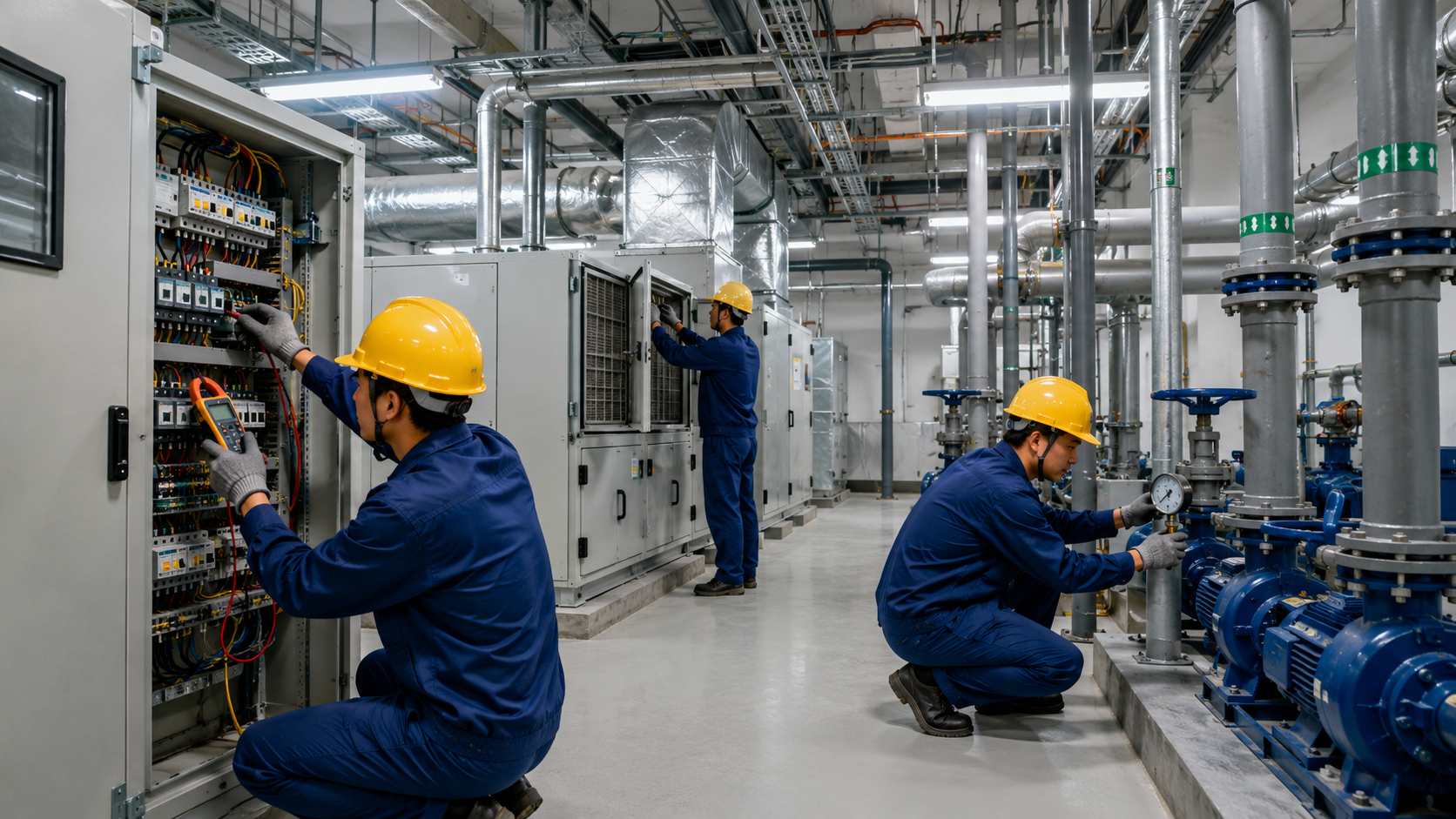
9. How to Choose a Reliable MEP Maintenance Contractor
Selecting the right maintenance contractor plays a critical role in ensuring the long-term reliability, efficiency, and safety of building engineering systems. Building owners should carefully evaluate potential service providers based on several important criteria before making a decision.
9.1. Proven Industry Experience
Experience is one of the most important indicators of a contractor’s capability. Companies that have successfully completed numerous maintenance projects across various industries are generally better equipped to address complex technical challenges.
When evaluating a contractor, consider whether they have experience maintaining facilities such as:
- Commercial office buildings and business centers.
- Manufacturing plants and industrial facilities.
- Hotels, resorts, and hospitality developments.
- Hospitals and healthcare institutions.
- Shopping malls and mixed-use developments.
A contractor with extensive project experience is more likely to recommend practical maintenance strategies that align with the operational characteristics of your facility.
9.2. Qualified Engineers and Certified Technicians
The quality of maintenance services largely depends on the competence of the technical team performing the work.
A reliable contractor should employ professionals who possess:
- Formal engineering education and technical qualifications.
- Relevant industry certifications and professional licenses.
- Practical experience with multiple MEP disciplines.
- Strong troubleshooting and diagnostic capabilities.
- Comprehensive knowledge of current engineering standards.
An experienced technical team can identify hidden issues more quickly, perform repairs more efficiently, and recommend long-term improvements that enhance system reliability.
9.3. Standardized Maintenance Procedures
Professional maintenance companies should follow clearly documented procedures that ensure every maintenance activity is performed consistently and transparently.
A standardized maintenance process should include:
- Comprehensive site surveys before maintenance begins.
- Detailed maintenance planning and scheduling.
- Standardized inspection and maintenance checklists.
- Performance testing after maintenance completion.
- Comprehensive documentation and technical reporting.
Standard operating procedures improve service quality, reduce human error, and ensure consistent maintenance standards across all engineering systems.
9.4. Guaranteed Response Time
Unexpected equipment failures can significantly disrupt business operations. Therefore, response time commitments should be clearly defined in the maintenance agreement.
A professional contractor should specify:
- Maximum response times for emergency service requests.
- Time required to dispatch technical personnel.
- Estimated repair completion time for various incidents.
- Escalation procedures for critical equipment failures.
- Availability of twenty-four-hour emergency technical support.
Clearly defined service response commitments provide building owners with greater confidence in maintaining uninterrupted operations.
9.5. Advanced Maintenance Management Systems
Modern maintenance contractors increasingly utilize digital technologies to improve service quality and maintenance transparency.
Advanced maintenance management systems often include:
- Computerized maintenance management software (CMMS).
- Digital maintenance records and service histories.
- Online inspection reports and maintenance tracking.
- Equipment lifecycle management databases.
- Preventive maintenance scheduling systems.
These technologies enable building owners to monitor maintenance activities more effectively while providing complete visibility into equipment performance and maintenance history.
10. Conclusion
Comprehensive MEP maintenance services have become an essential component of modern facility management. Regular inspection, preventive maintenance, and professional technical support help ensure that building engineering systems operate safely, efficiently, and reliably throughout their entire service life.
Rather than simply repairing equipment after failures occur, a proactive maintenance strategy focuses on preventing problems before they disrupt building operations. This approach significantly reduces operational risks, lowers maintenance costs, improves energy efficiency, and protects valuable engineering assets.
Investing in professional MEP maintenance is not merely an operational expense—it is a long-term investment in building performance, business continuity, and sustainable asset management. By partnering with an experienced MEP maintenance contractor, building owners can maximize equipment lifespan, optimize operational efficiency, and maintain a safe, reliable environment for occupants and daily business activities.
11. Contact Us
If you are looking for a professional contractor specializing in comprehensive MEP maintenance services, we are ready to provide reliable, cost-effective, and customized maintenance solutions tailored to your facility.
TRIEU MINH TECHNOLOGY ENGINEERING CO., LTD
Address: 109 Nguyen Thi Nhung Street, Hiep Binh Ward, Ho Chi Minh City, Vietnam
Email: trieuminh@trieuminh.com
Website: http://trieuminh.com
Hotline (Zalo): +84 976 422 223