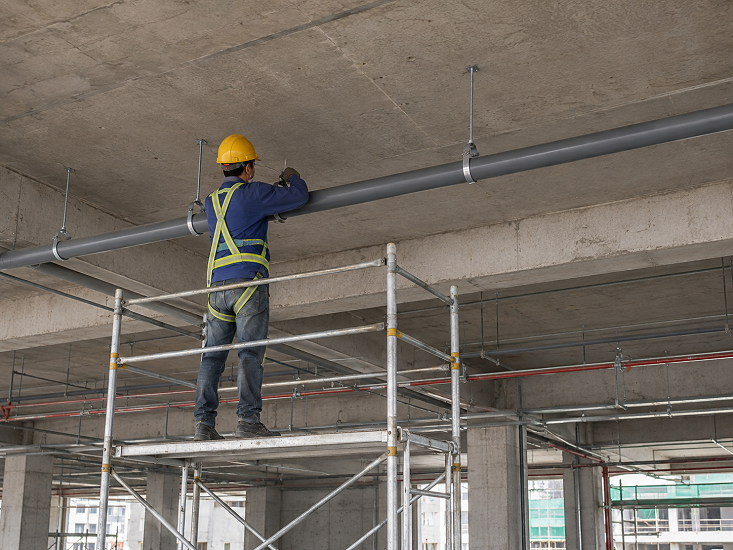
Professional Electrical and ELV Installation Services
1. Overview of Electrical and ELV Installation
1.1 The Fundamental Role of Electrical Systems in Modern Buildings
As modern construction increasingly embraces smart technologies, automation, and energy efficiency, electrical systems have evolved far beyond a basic building service. Today, they form the operational backbone of every facility, ensuring reliable power distribution and supporting the performance of all electrical equipment throughout its lifecycle.
A professionally installed electrical system delivers a stable power supply, minimizes unexpected outages, and significantly improves the reliability and lifespan of connected equipment. Beyond supplying electricity, it also plays a vital role in protecting both people and property through overload protection, earth leakage protection, surge protection, and grounding systems.
For these reasons, electrical installation must be carried out using a systematic approach, following clearly defined procedures while strictly complying with both Vietnamese and international engineering standards to ensure safety, performance, and long-term operational reliability.
1.2 The Importance of ELV Systems in Smart Building Operations
Alongside the power distribution system, Extra-Low Voltage (ELV) systems serve as the communication and control infrastructure of modern buildings, enabling intelligent, efficient, and highly automated operations. These systems are responsible for transmitting data and signals while managing essential building functions such as security surveillance, access control, fire alarm monitoring, communications, and centralized building management.
When ELV systems are properly designed and professionally installed as an integrated solution, buildings achieve a higher level of automation, reduce dependence on manual operations, and significantly lower long-term operating and energy costs. A well-coordinated ELV infrastructure also enhances occupant safety, improves management efficiency, and provides greater flexibility for future system expansion.
1.3 Professional Electrical and ELV Installation Services
Trieu Minh Engineering Technology Co., Ltd. specializes in professional electrical and ELV installation services, delivering sustainable engineering solutions with a strong focus on quality, reliability, and long-term operational performance. Backed by extensive experience in the Mechanical, Electrical, and Plumbing (MEP) industry, we have successfully completed numerous projects ranging from small-scale developments to large industrial and commercial facilities, including factories, office buildings, shopping centers, and high-end residential developments.
Trieu Minh provides comprehensive turnkey solutions covering engineering consultation, system design, installation, testing & commissioning, as well as maintenance services. By managing every stage of the project under one roof, we help clients reduce project timelines, optimize investment costs, and ensure seamless integration across all electrical and ELV systems.
 /////////////////////
2. Electrical Systems in Buildings and Their Main Components
2.1 Overview of Building Electrical System Architecture
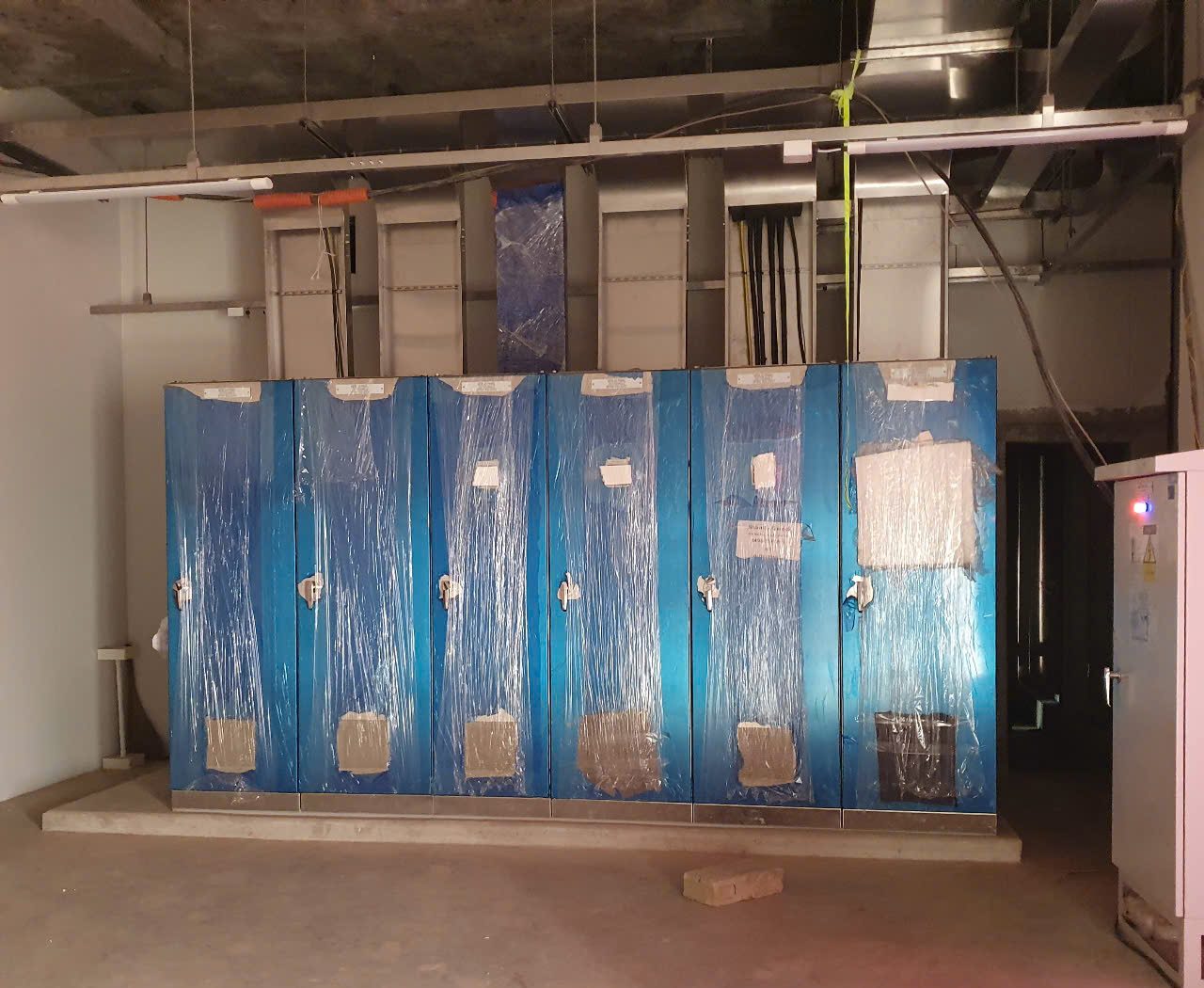
A complete building electrical system consists of multiple interconnected components that work together to provide a safe, reliable, and efficient power distribution network. From the incoming utility supply to the final electrical loads, every component performs a critical function and contributes to the overall performance of the system.
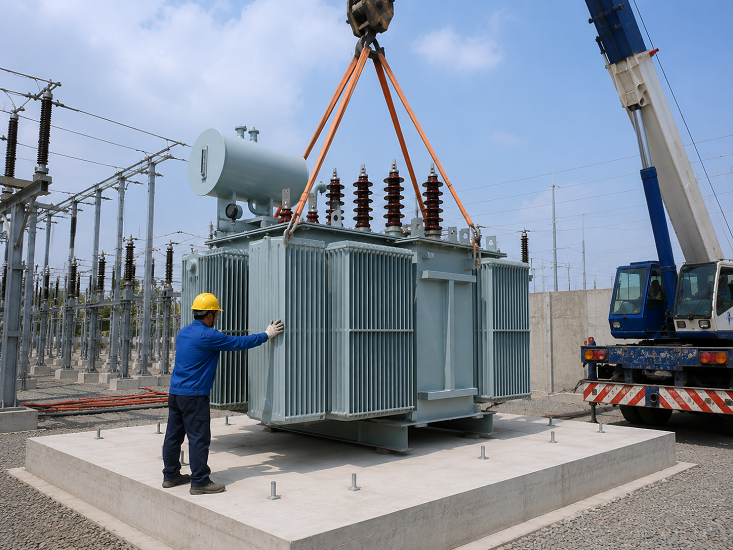
The primary components typically include transformer substations, medium-voltage distribution systems, low-voltage distribution systems, main switchboards (MSB), distribution boards (DB), lighting systems, grounding systems, and lightning protection systems. Each of these elements must be carefully designed, properly coordinated, and professionally installed to ensure maximum operational efficiency, electrical safety, and long-term reliability.
2.2 The Importance of Professional Electrical Installation
Electrical installation involves far more than simply mounting equipment and connecting cables. It is the process of transforming engineering designs into a fully functional electrical system capable of operating safely and efficiently under real-world conditions.
Improper installation practices can lead to numerous operational issues, including voltage drop, overheating, phase imbalance, equipment malfunction, unexpected power interruptions, and even serious electrical hazards that may compromise personnel safety and property.
Conversely, when installation is carried out in accordance with approved engineering drawings and recognized technical standards, the electrical system delivers stable performance, improves energy efficiency, minimizes maintenance requirements, and ensures the highest level of operational safety. For this reason, installation quality is one of the most critical factors influencing the overall performance, reliability, and service life of any building.
3. Extra-Low Voltage (ELV) Systems and Their Role in Modern Buildings
3.1 What Is an ELV System?
An Extra-Low Voltage (ELV) system is a collection of low-voltage systems primarily used for communication, monitoring, control, and information transmission rather than supplying electrical power to high-load equipment. Although ELV systems consume relatively little electrical power, they play an essential role in supporting intelligent building operations and enhancing overall facility management.
Unlike conventional power distribution systems, ELV installations require exceptional signal stability, seamless system integration, scalability, and compatibility between different technologies. As a result, successful implementation demands highly skilled engineers and technicians with extensive experience in designing, installing, configuring, and commissioning complex integrated systems.
3.2 Common ELV Systems Installed in Buildings
Modern buildings typically incorporate a wide range of ELV systems designed to improve operational efficiency, safety, communication, and security.
A structured LAN cabling system provides reliable network connectivity for computers, servers, and connected devices, while CCTV surveillance systems enable continuous 24/7 security monitoring and incident recording. Access Control Systems allow administrators to manage and restrict entry permissions, significantly enhancing building security and protecting sensitive areas.
Additional ELV systems commonly include automatic Fire Alarm Systems for early fire detection and emergency notification, Public Address (PA) Systems for broadcasting announcements and emergency messages, and Building Management Systems (BMS) that centrally monitor and control mechanical and electrical systems throughout the facility. By integrating these technologies into a unified platform, building owners can optimize operational efficiency, reduce energy consumption, improve maintenance management, and create a safer, smarter environment for occupants.
4. Professional Electrical and ELV Installation Process
4.1 Reviewing Design Documents and Conducting Site Surveys
Every electrical and ELV installation project begins with a comprehensive review of the approved design drawings, technical specifications, project requirements, and applicable engineering standards. Once the documentation has been thoroughly evaluated, the engineering team conducts an on-site survey to assess the actual construction conditions, installation environment, existing utilities, and any factors that may affect project execution.
During this stage, engineers determine cable routing, equipment locations, installation methods, and coordination requirements with other MEP disciplines, including HVAC, plumbing, fire protection, and structural works. A detailed site survey enables the contractor to optimize construction methods, minimize unforeseen issues during installation, and ensure that the approved design can be implemented efficiently and safely.
4.2 Material Submittal and Incoming Quality Control
Following the site survey and confirmation of the construction methodology, the contractor prepares a detailed material and equipment submittal package for each electrical and ELV system. Typical submittal documents include product catalogues, technical datasheets, equipment specifications, material samples, Certificates of Origin (CO), Certificates of Quality (CQ), and other supporting documentation required for approval by the client and consulting engineer.
Incoming material inspection is conducted under strict quality control procedures to ensure that all equipment complies with the approved design and project specifications. Electrical cables, switchboards, cable trays, network equipment, CCTV devices, fire alarm components, public address equipment, and access control devices are carefully inspected before installation. This rigorous quality assurance process helps minimize construction risks while ensuring long-term system reliability and performance.
4.3 Construction Planning and Project Schedule Management
Once all materials have been approved and delivered to the project site, the contractor develops a detailed construction schedule covering every stage of the installation process. The implementation plan defines manpower allocation, construction equipment, installation sequences, safety measures, and coordination with other contractors working on the project.
Effective schedule management is particularly important for large-scale developments such as factories, shopping malls, hotels, hospitals, and office buildings. Continuous progress monitoring allows project teams to identify potential delays at an early stage, adjust resources when necessary, and ensure that all milestones are achieved in accordance with the agreed project schedule.
Regular coordination meetings involving the owner, consultants, and contractors are also conducted throughout the project to resolve technical issues promptly, improve communication among all parties, and maintain smooth, efficient project execution.
4.4 Electrical and ELV System Installation
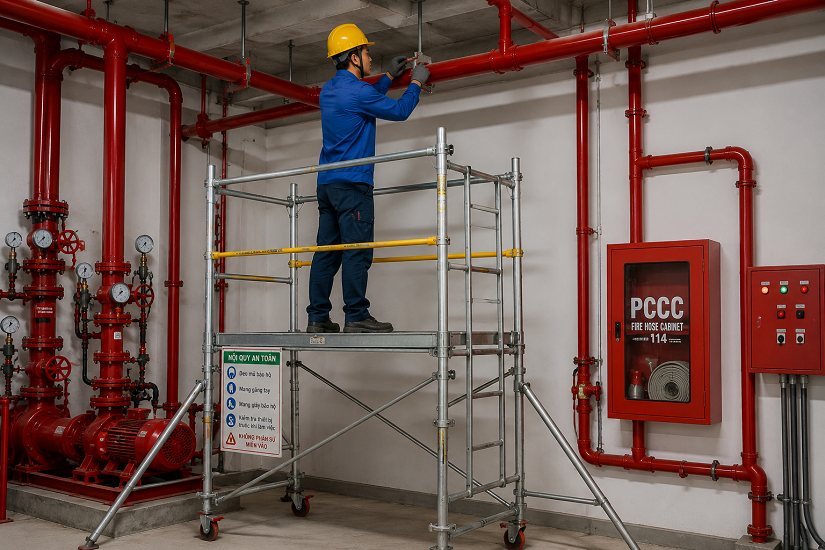
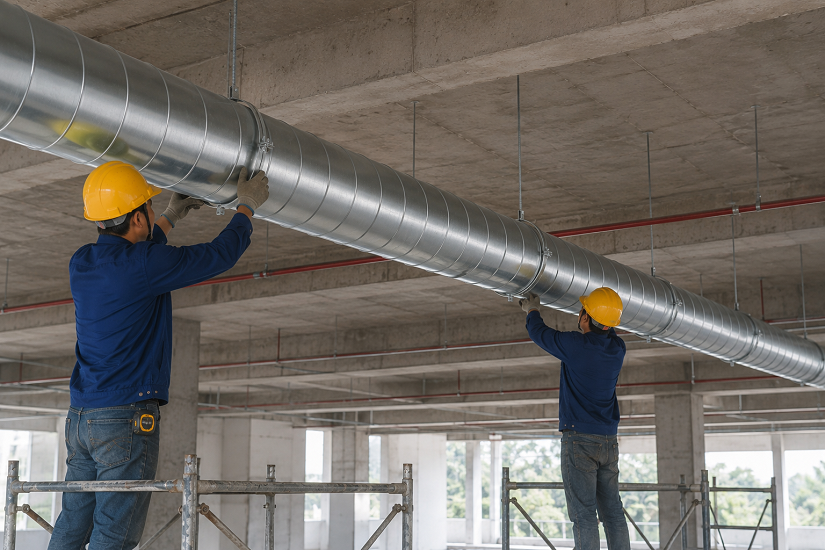
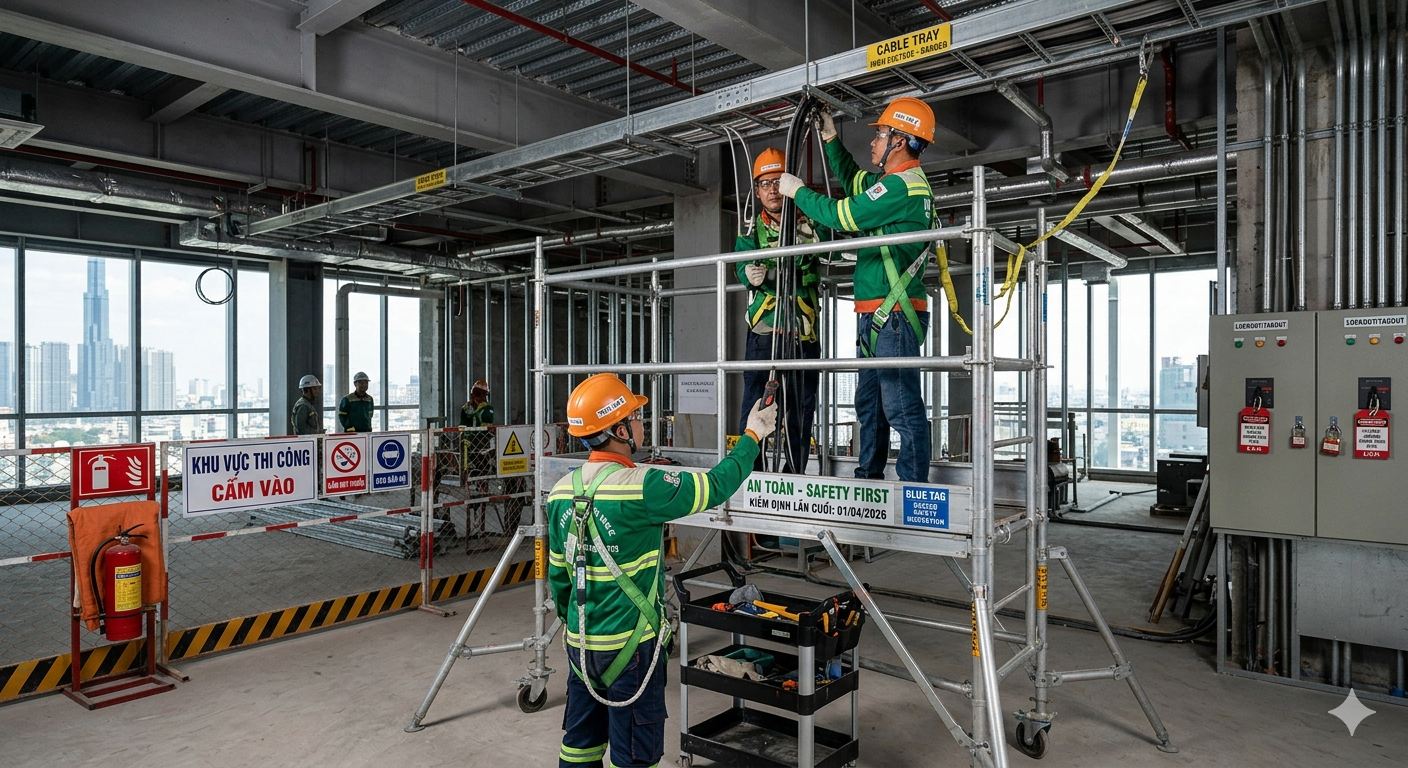
This phase involves the physical installation of all electrical and ELV infrastructure on site. Major activities include installing cable ladders, cable trays, conduits, power cables, control cables, communication cables, and electrical distribution panels according to the approved construction drawings.
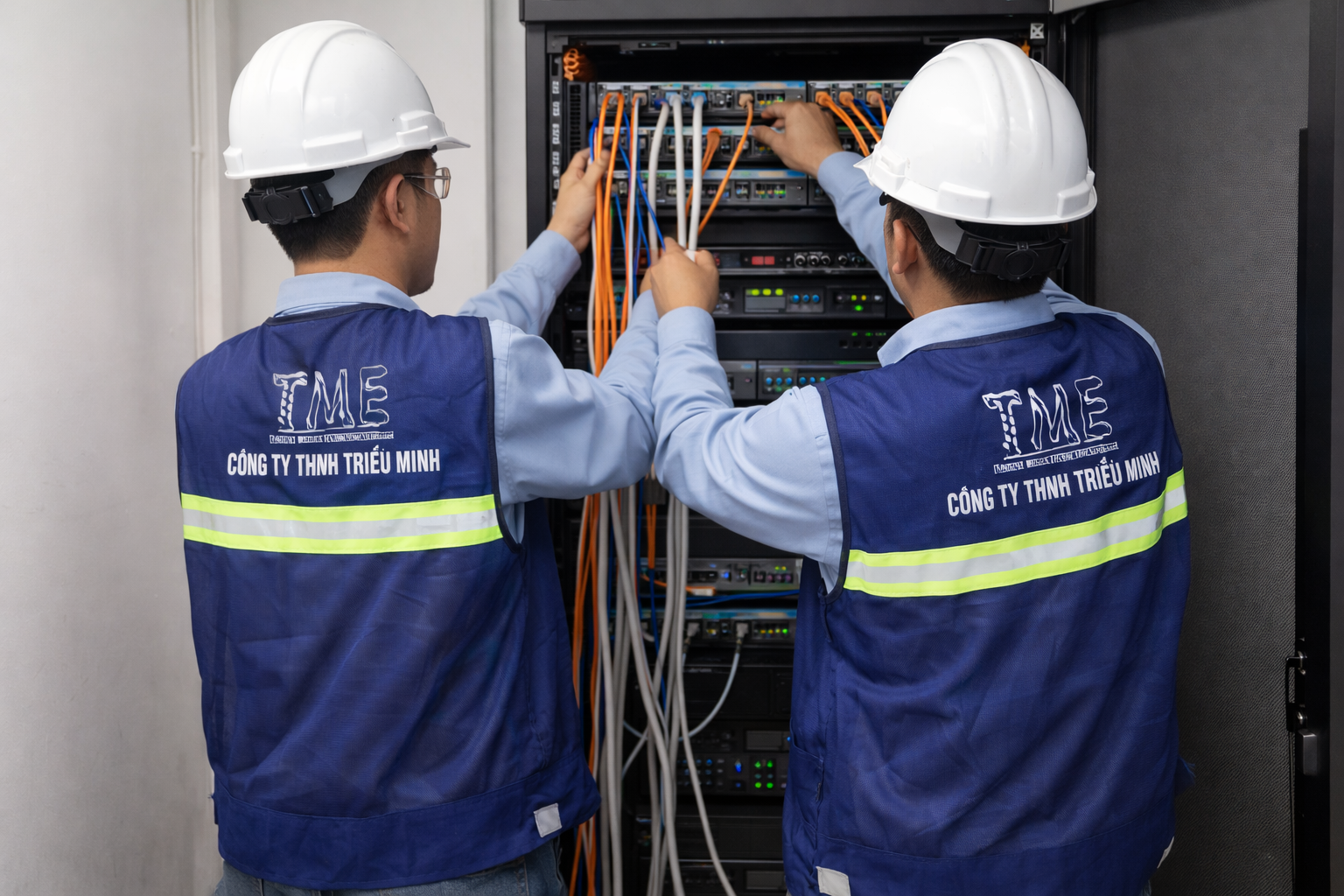
For Extra-Low Voltage (ELV) systems, engineers and technicians install CCTV surveillance systems, LAN and Wi-Fi networks, IP telephone systems, Public Address (PA) systems, Access Control systems, Time Attendance systems, IPTV systems, Smart Parking Systems, Automatic Fire Alarm Systems, and Building Management Systems (BMS), depending on project requirements.
After all mechanical installation and cable pulling activities have been completed, equipment is terminated, software is configured, network addresses are assigned, control programs are uploaded, and all individual systems are integrated into a unified operational platform. Every stage of this process requires experienced technical personnel to ensure installation accuracy, stable operation, and seamless system integration.
4.5 Testing, Commissioning, Inspection, and Handover
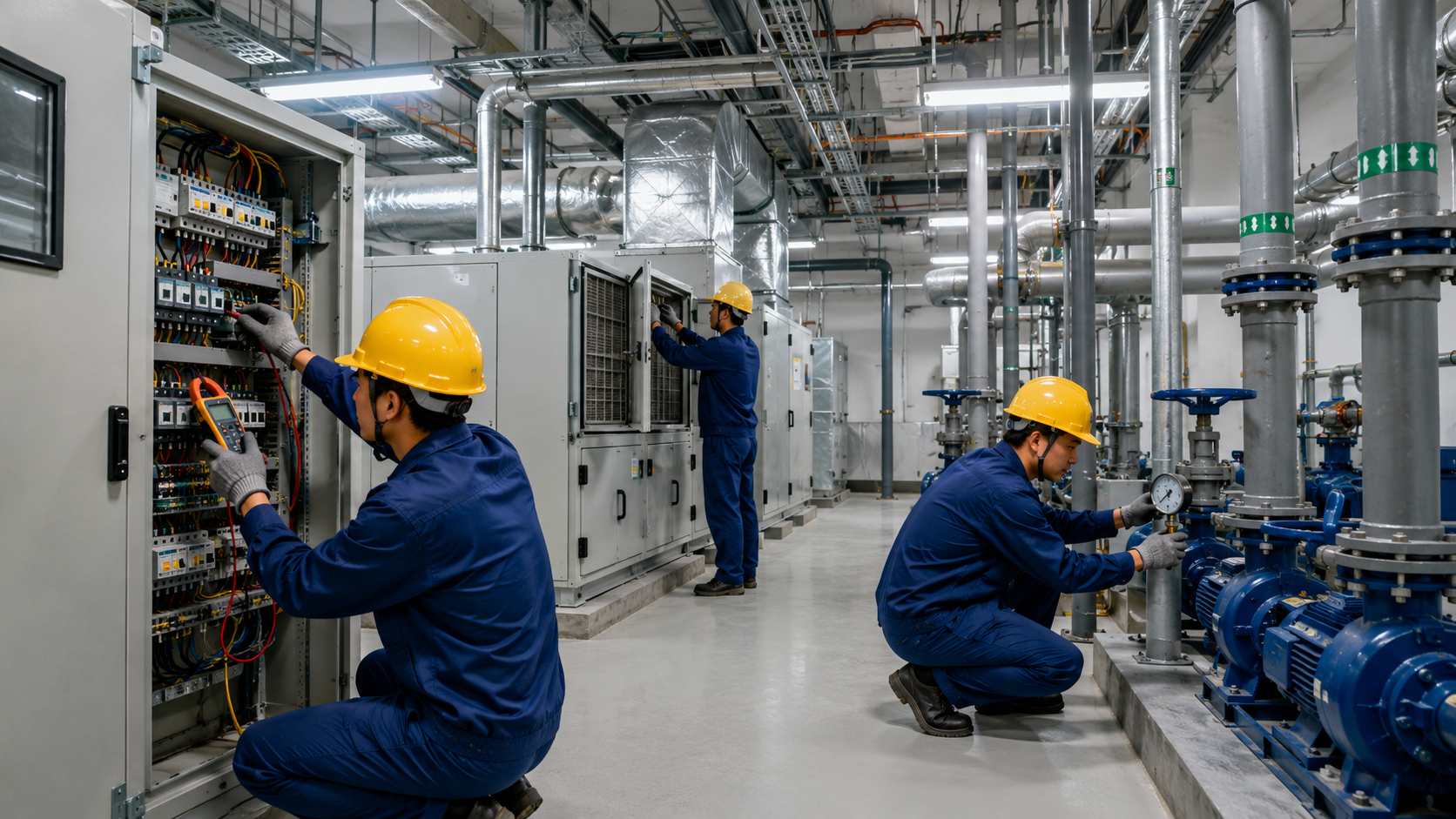
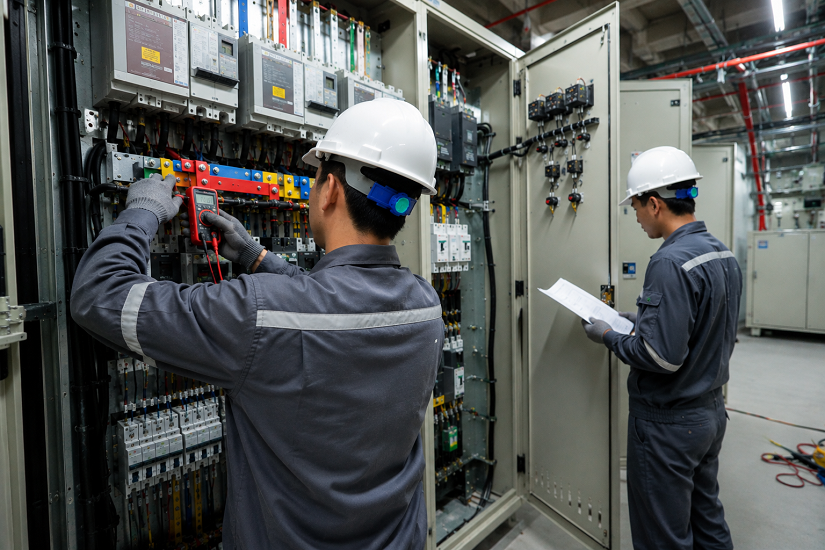
Following completion of the installation works, the contractor performs comprehensive inspections in accordance with the approved quality assurance procedures. Inspection activities typically include insulation resistance testing, continuity testing, voltage measurements, grounding resistance measurements, network performance verification, signal transmission tests, and functional testing of every installed device.
The project then proceeds to no-load and full-load commissioning to evaluate the system’s actual operating performance under real conditions. All technical parameters are recorded, analyzed, and compared against the approved design criteria to verify compliance with project requirements and applicable engineering standards.
Once every system has successfully passed testing and commissioning, the contractor prepares the as-built documentation, inspection reports, testing records, operation manuals, and maintenance manuals for submission to the client. Formal project handover is then completed, marking the beginning of the warranty period and long-term technical support in accordance with the contract.

5. Standards Applied in Electrical and ELV Installation
Compliance with recognized national and international engineering standards is essential in every electrical and ELV installation project. These standards establish the technical requirements for system design, material selection, installation methods, quality control, testing procedures, and final acceptance, ensuring that each system operates safely, efficiently, and reliably throughout its service life.
Commonly applied standards include:
- TCVN (Vietnam Standards): Technical regulations governing electrical installations, electrical safety, grounding systems, lightning protection, and MEP works in Vietnam.
- IEC (International Electrotechnical Commission): International standards covering electrical equipment, power cables, protection systems, switchgear, and electromagnetic compatibility.
- NFPA (National Fire Protection Association): Standards related to fire alarm systems, fire protection, life safety, emergency evacuation, and fire prevention.
- ISO (International Organization for Standardization): International standards for quality management, occupational health and safety, environmental management, and construction process control.
Strict compliance with these standards enhances system reliability, minimizes technical failures, extends equipment lifespan, and ensures successful inspection and acceptance by project owners and regulatory authorities.
6. Benefits of Choosing Professional Electrical and ELV Installation Services
Selecting an experienced electrical and ELV contractor provides significant advantages throughout every stage of a construction project, from design coordination and installation to long-term operation and maintenance. A qualified engineering team follows proven construction procedures and industry best practices to ensure that every system complies with applicable technical standards while meeting the highest expectations for safety, quality, and performance.
Professional contractors also optimize engineering solutions to reduce initial investment costs, minimize material waste, and prevent unnecessary variations during construction. Coordinated installation of power distribution, lighting, structured cabling, CCTV surveillance, and fire alarm systems helps eliminate conflicts between building services, reducing costly modifications after project completion.
Furthermore, proper installation improves system stability, minimizes operational failures, lowers maintenance expenses, and extends the service life of electrical and ELV equipment throughout the building’s operational lifecycle.
7. Typical Scope of Electrical and ELV Installation Services
Electrical and ELV installation services cover a wide range of building systems designed to meet the operational requirements of residential, commercial, industrial, and infrastructure projects.
Typical electrical installation works include power distribution systems, indoor and outdoor lighting systems, main switchboards, distribution boards, cable trays and ladders, grounding systems, lightning protection systems, transformer substations, standby generator systems, and power factor correction systems.
The scope of ELV installation generally includes CCTV surveillance systems, structured LAN and Wi-Fi networks, IP telephone systems, Public Address (PA) systems, conference audio systems, IPTV systems, automatic fire alarm systems, Access Control systems, Time Attendance systems, Smart Parking Systems, Intercom systems, and Building Management Systems (BMS).
Proper integration of these systems enhances operational efficiency, strengthens security, simplifies facility management, and creates a modern, intelligent, and comfortable environment for building occupants.
8. How to Choose the Right Electrical and ELV Contractor
Selecting the right contractor is one of the most important decisions affecting project quality, construction progress, and long-term investment value. Project owners should prioritize contractors with extensive MEP experience, highly qualified engineers, experienced supervisors, and skilled technicians who have successfully completed projects of similar size and complexity.
In addition to technical expertise, clients should carefully evaluate the contractor’s company profile, project portfolio, engineering capabilities, quality management procedures, and project scheduling systems. Professional contractors maintain well-established QA/QC procedures, comprehensive safety management systems, and strict compliance with occupational health and safety regulations.
Other important evaluation criteria include transparent pricing, realistic project schedules, comprehensive warranty programs, and reliable after-sales technical support, all of which contribute to a successful long-term partnership.
9. Electrical and ELV Installation Costs
The cost of electrical and ELV installation varies depending on several factors, including project size, building type, system complexity, equipment specifications, material selection, and construction schedule.
Office buildings, factories, hotels, shopping centers, hospitals, and other specialized facilities each have unique technical requirements and operational standards, resulting in different investment costs. In addition, the selection of locally manufactured or imported equipment can significantly influence the overall project budget.
To prepare an accurate quotation, the contractor performs a detailed site survey, reviews the engineering drawings, conducts a comprehensive quantity take-off, and develops the most appropriate construction methodology. A reputable contractor provides a transparent quotation with detailed cost breakdowns for each work item, allowing project owners to manage budgets effectively while minimizing unexpected additional costs.
10. Trieu Minh’s Commitment to Quality
With extensive experience delivering electrical and ELV solutions for residential, commercial, and industrial projects, Trieu Minh Engineering Technology Co., Ltd. is committed to maintaining the highest standards of quality, safety, and customer satisfaction in every project we undertake.
We are committed to installing every system in strict accordance with the approved design documents while using only materials and equipment with verified origins that fully comply with current technical standards. Every stage of construction is closely supervised by our experienced engineers to ensure outstanding workmanship, on-time project delivery, and seamless integration across all building systems.
Throughout the construction process, we strictly adhere to occupational safety regulations, fire protection requirements, and environmental protection practices. Upon project completion, we provide comprehensive warranty, preventive maintenance, and professional technical support services, ensuring that every system continues to operate safely, efficiently, and reliably for many years.
The trust and satisfaction of our clients continue to inspire us to improve our services and deliver innovative, high-quality electrical and ELV solutions for every project.
Contact Us
Professional electrical and ELV installation services play a critical role in ensuring the safety, reliability, and long-term performance of any building. Choosing a reputable contractor enables project owners to reduce investment risks, optimize project costs, and maximize operational efficiency.
Trieu Minh Engineering Technology Co., Ltd. specializes in professional electrical and ELV installation services, providing comprehensive, reliable, and sustainable engineering solutions for residential, commercial, and industrial projects. If you require consultation or professional installation services for electrical or ELV systems, please contact us using the information below.
TRIEU MINH ENGINEERING TECHNOLOGY CO., LTD.
Address: 109 Nguyen Thi Nhung Street, Hiep Binh Ward, Ho Chi Minh City, Vietnam
Email: trieuminh@trieuminh.com
Website: www.trieuminh.com
Hotline (Zalo): +84 976 422 223
See more:
- HVAC SYSTEM INSTALLATION
- WATER SUPPLY AND DRAINAGE CONSTRUCTION SERVICES
- PROFESSIONAL COMPREHENSIVE MEP MAINTENANCE SERVICES
- URNKEY TRANSFORMER SUBSTATION SUPPLY AND INSTALLATION
- TRIEU MINH PROFILE- MEP CONTRACTOR IN HO CHI MINH
- WHY DO CUSTOMERS CHOOSE TRIEU MINH AS THEIR PARTNER
- ABOUT TRIỀU MINH COMPANY- MEP CONTRACTOR IN HO CHI MINH CITY
- MEP SERVICES
- FIRE PROTECTION AND FIRE FIGHTING SYSTEM INSTALLATION
- FANPAGE TRIỀU MINH