URNKEY TRANSFORMER SUBSTATION SUPPLY AND INSTALLATION
OPTIMIZED SOLUTION FOR COST-EFFECTIVE INVESTMENT AND FAST POWER ENERGIZATION
A reliable electrical distribution system is the foundation of every modern industrial facility, commercial building, residential development, and manufacturing plant. Among all electrical infrastructure components, the transformer substation plays a critical role in receiving medium-voltage power from the utility network and converting it into low-voltage electricity for safe and efficient use throughout the project. Selecting a professional contractor for a turnkey transformer substation installation therefore becomes one of the most important decisions during project development.
Triều Minh Engineering provides comprehensive turnkey transformer substation supply and installation services, covering every stage of the project from site investigation, engineering design, utility approval, equipment supply, construction, testing, commissioning, energization, and after-sales technical support. By integrating every activity into a single workflow, we help investors shorten project schedules, reduce unnecessary costs, maintain consistent construction quality, and ensure that the electrical system complies with all applicable technical standards.
Our services are suitable for a wide variety of transformer substation configurations, including:
- Pole-mounted transformer substations designed for industrial and utility distribution networks where installation efficiency and cost optimization are priorities.
- Ground-mounted transformer substations that provide excellent accessibility for inspection, maintenance, and long-term operational reliability.
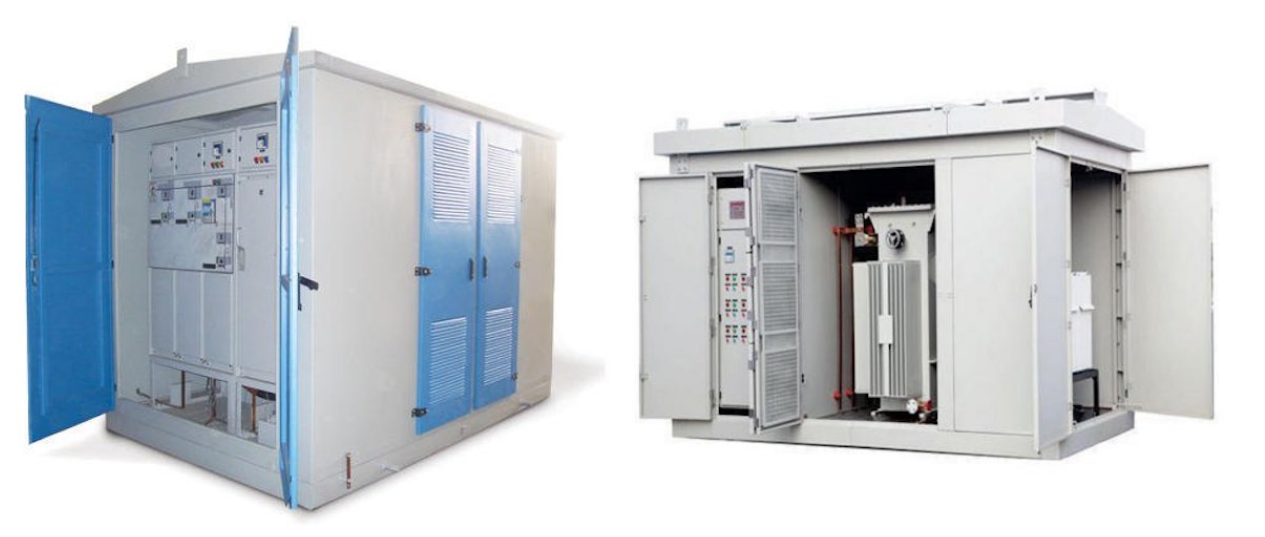
- Compact kiosk substations that integrate transformers, medium-voltage switchgear, and low-voltage panels into a single enclosed unit for enhanced safety and space efficiency.
- RMU-integrated package substations developed for projects requiring higher operational flexibility, improved protection, and simplified maintenance procedures.
- Standard operating voltage levels including 22kV, 15kV, and 0.4kV, with transformer capacities selected according to the electrical demand of each project.

1. OVERVIEW OF TURNKEY TRANSFORMER SUBSTATION INSTALLATION SERVICES
A transformer substation is an essential component of every electrical power distribution system. Its primary function is to convert medium-voltage electricity supplied by the utility company into low-voltage power suitable for buildings, factories, commercial facilities, and industrial processes. Because this system directly affects the stability and safety of an entire project, every stage of design, equipment selection, installation, testing, and commissioning must be carried out with exceptional precision.
A turnkey transformer substation project extends far beyond simply installing electrical equipment. It requires comprehensive engineering coordination involving civil construction, electrical design, utility approvals, equipment procurement, protection system configuration, safety management, commissioning, and legal documentation before the system can be energized.
A professionally designed transformer substation should achieve several important objectives simultaneously. It must provide a highly reliable power supply capable of supporting continuous business operations, minimize electrical losses to improve energy efficiency, ensure safe operation under all normal and emergency conditions, and fully comply with the technical requirements established by EVN, TCVN, IEC, and other applicable international standards.
Choosing a qualified transformer substation contractor enables project owners to minimize construction risks, shorten implementation schedules, simplify communication with the utility authority, and ensure that the completed system can operate efficiently for many years with minimal maintenance requirements.
2. TURNKEY TRANSFORMER SUBSTATION INSTALLATION PROCESS
Triều Minh Engineering follows a systematic construction methodology that enables strict control over quality, safety, project scheduling, and overall investment costs. Every stage is carefully coordinated by experienced electrical engineers and construction supervisors to ensure seamless project execution from the initial survey until final energization.
STEP 1: PROJECT CONSULTATION AND SITE SURVEY
Every successful transformer substation installation begins with a detailed consultation and comprehensive site survey. Understanding the client’s electrical requirements and the existing site conditions allows our engineering team to develop the most practical and cost-effective solution before construction begins.
During this initial stage, our engineers work closely with the project owner to determine the expected electrical demand, evaluate future expansion requirements, and identify any operational constraints that could influence the transformer capacity or equipment configuration. Rather than simply selecting equipment based on current power consumption, we also consider long-term production growth and future facility expansion to prevent unnecessary upgrades later.
The site investigation typically includes several important engineering activities, such as:
- Collecting detailed information regarding the required transformer capacity and anticipated electrical load characteristics for the entire facility while considering future operational growth.
- Performing preliminary load calculations to recommend the most appropriate transformer rating, helping clients avoid both oversized investments and insufficient electrical capacity.
- Inspecting the proposed installation location to verify available construction space, accessibility for heavy equipment, transportation routes, and future maintenance requirements.
- Evaluating the feasibility of connecting the new transformer substation to the existing medium-voltage distribution network operated by the local utility company.
- Reviewing utility infrastructure, nearby electrical facilities, and regional power supply capability to determine the most suitable connection method.
After completing the site assessment, our engineering team prepares a comprehensive technical proposal that includes recommended transformer type, preferred substation configuration, preliminary equipment selection, estimated project schedule, and a transparent cost breakdown.
This early engineering assessment helps clients make informed investment decisions while significantly reducing the possibility of design modifications or additional construction costs during later project stages.
STEP 2: ENGINEERING DESIGN AND UTILITY APPROVAL
Once the technical solution has been approved, the project proceeds to the engineering design stage. This phase is one of the most critical components of the entire transformer substation installation process because it establishes the technical foundation for construction, utility approval, equipment procurement, and final commissioning.
Our engineering team develops complete design documentation in accordance with EVN regulations, Vietnamese standards, and internationally recognized IEC requirements. Every drawing is prepared with careful attention to operational safety, maintenance accessibility, equipment compatibility, and long-term system reliability.
The engineering scope generally includes:
- Preparing complete transformer substation layout drawings that optimize equipment arrangement, cable routing, maintenance clearance, and operational safety within the available installation space.
- Developing detailed medium-voltage and low-voltage single-line diagrams that clearly define all incoming feeders, protection devices, transformers, distribution panels, and outgoing electrical circuits.
- Designing the earthing and bonding system to ensure effective fault current dissipation, equipment protection, and personnel safety under both normal operating conditions and electrical fault scenarios.
- Preparing comprehensive medium-voltage connection documentation required for submission to the local power utility, including all supporting engineering calculations and technical specifications.
One of the major advantages of selecting a turnkey transformer substation contractor is that the client does not need to coordinate separately with the utility company. Triều Minh Engineering directly manages communication with EVN throughout the approval process, responds to technical comments, revises documentation when necessary, and follows every administrative procedure until the connection application receives official approval.
This integrated approach significantly shortens approval timelines, minimizes documentation errors, and helps projects proceed to construction much faster.
STEP 3: TRANSFORMER SUBSTATION EQUIPMENT SUPPLY
High-quality equipment is one of the most important factors determining the long-term reliability and operational performance of a transformer substation. For this reason, every component supplied by Triều Minh Engineering is carefully selected from reputable manufacturers with proven experience in electrical power systems.
Rather than focusing solely on purchase price, we evaluate each product based on technical performance, durability, maintenance requirements, compliance with international standards, availability of spare parts, and long-term operational efficiency. This approach ensures that every installed system delivers dependable performance throughout its service life while minimizing future maintenance costs.
The transformer substation package generally includes:
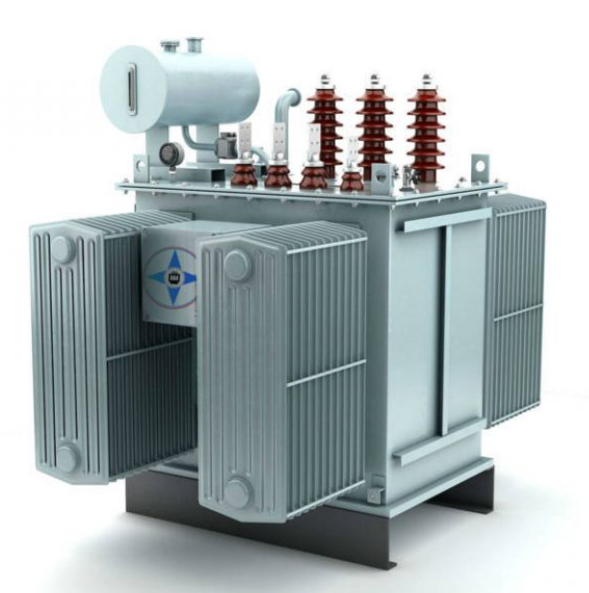
- Oil-immersed transformers or dry-type transformers selected according to project requirements, installation environment, fire safety considerations, and expected operating conditions.
- Medium-voltage switchgear including RMU units, LBS equipment, protection devices, and associated accessories that provide safe switching operations and reliable fault isolation.
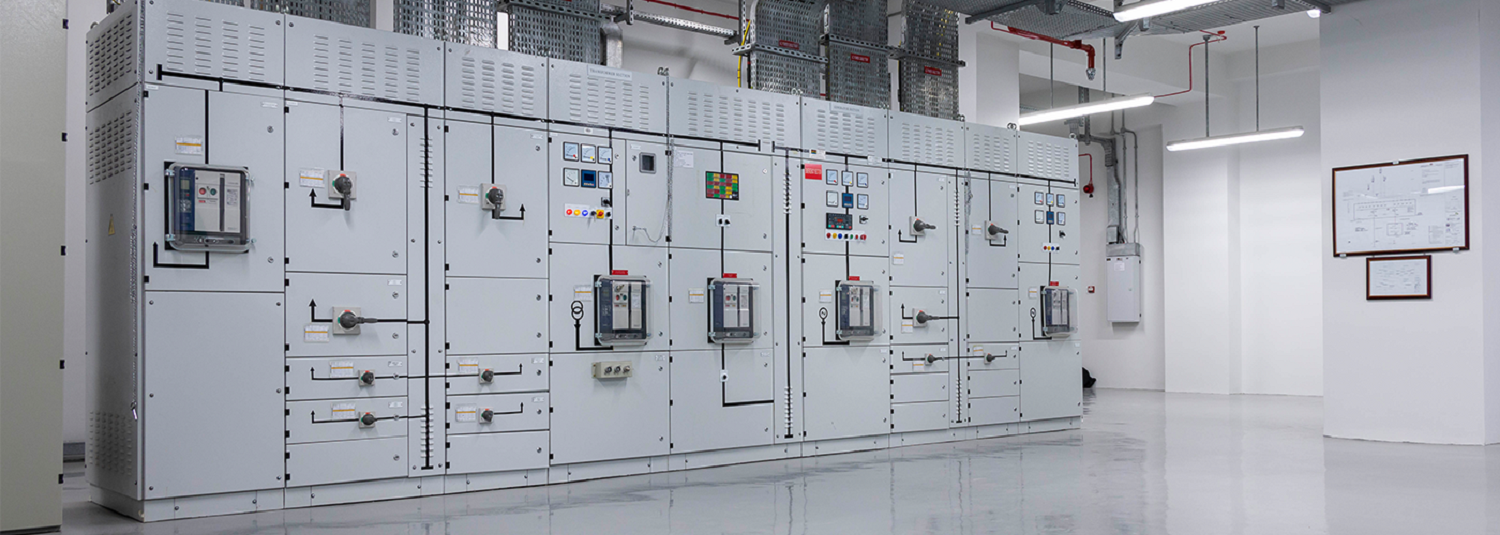
- Main low-voltage switchboards (MSB) designed to distribute electrical power efficiently while incorporating advanced protection, monitoring, and operational control features.
- Medium-voltage and low-voltage power cables manufactured to recognized international standards, ensuring excellent insulation performance, mechanical durability, and long service life.
- Complete earthing systems consisting of grounding electrodes, conductors, connectors, and accessories that maintain electrical safety and system stability under all operating conditions.
Every supplied component is accompanied by complete quality documentation, including Certificates of Origin (CO), Certificates of Quality (CQ), factory acceptance test reports, technical datasheets, and manufacturer certifications. These documents provide full traceability for every major item installed within the transformer substation and support a smooth inspection and acceptance process.
STEP 4: CONSTRUCTION PREPARATION AND SAFETY MANAGEMENT
Before any installation activities begin, comprehensive planning is carried out to ensure that construction proceeds safely, efficiently, and in accordance with the approved project schedule. Proper preparation minimizes project delays, reduces construction risks, and creates a safe working environment for all personnel involved.
A detailed construction methodology is developed to define every installation sequence, equipment handling procedure, quality inspection point, and coordination activity required throughout the project. This systematic planning enables efficient resource allocation while maintaining consistent construction quality from start to finish.
Our preparation activities include:
- Developing a comprehensive construction execution plan that clearly defines work sequences, equipment installation procedures, inspection requirements, manpower allocation, and project milestones.
- Preparing detailed electrical safety procedures together with fire prevention and emergency response plans to ensure compliance with all applicable occupational safety regulations.
- Assigning qualified engineers, certified electricians, and trained construction personnel who possess the necessary technical knowledge and safety certifications for medium-voltage electrical work.
- Mobilizing cranes, lifting equipment, specialized installation tools, testing instruments, and temporary facilities required to support efficient construction activities throughout the project.
Throughout every transformer substation installation project, safety remains our highest priority. Every worker receives site-specific safety briefings before beginning work, all lifting operations follow approved procedures, and every installation activity is continuously supervised by experienced engineers to ensure full compliance with technical specifications and occupational safety requirements.
STEP 5: CIVIL CONSTRUCTION FOR THE TRANSFORMER SUBSTATION
Once all engineering documents have been approved and the required equipment has been delivered to the site, the project proceeds to the civil construction phase. Although often overlooked, this stage provides the structural foundation for the entire transformer substation. The quality of the civil works directly influences installation accuracy, equipment stability, operational safety, and the long-term durability of the electrical system.
All civil construction activities are carried out strictly in accordance with the approved drawings and engineering specifications. Before construction begins, surveyors verify all reference points, elevations, and dimensions to ensure that the installation location matches the approved design and utility requirements.
Typical construction activities include:
- Constructing reinforced concrete foundations capable of supporting the transformer, medium-voltage switchgear, and auxiliary electrical equipment while maintaining structural stability throughout the service life of the installation.
- Building cable trenches and underground duct systems for medium-voltage and low-voltage power cables, ensuring smooth cable routing, adequate mechanical protection, and convenient future maintenance.
- Installing protective fencing, security gates, warning signs, and access control measures to prevent unauthorized entry while complying with electrical safety regulations.
- Verifying foundation elevations, equipment anchor locations, embedded components, and construction tolerances before electrical installation begins to eliminate potential alignment issues.
Throughout this phase, every completed construction activity is carefully inspected to confirm compliance with design specifications. Any deviation is corrected immediately before proceeding to equipment installation, helping avoid delays and unnecessary rework during later stages of the project.
STEP 6: TRANSFORMER SUBSTATION EQUIPMENT INSTALLATION
Equipment installation is the core stage of every transformer substation project. At this point, the electrical infrastructure begins to take shape as major equipment is positioned, assembled, interconnected, and prepared for commissioning.
Each installation activity is performed according to approved engineering procedures and manufacturer recommendations. Careful attention is given to equipment alignment, mechanical stability, cable routing, electrical clearances, and maintenance accessibility to ensure long-term operational reliability.
The installation process generally includes the following major activities:
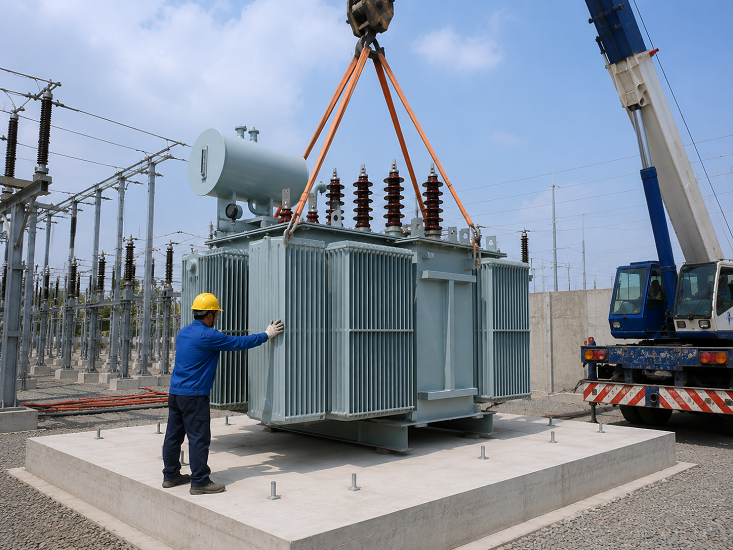
- Positioning and accurately aligning the transformer on its foundation while verifying leveling, anchor bolt installation, vibration stability, and maintenance clearances around the equipment.
- Installing RMU units, Load Break Switches (LBS), medium-voltage protection devices, and associated accessories to provide reliable switching operations and effective protection against electrical faults.
- Installing the Main Switchboard (MSB), distribution panels, metering equipment, and control devices while ensuring proper cable termination, equipment identification, and future maintenance accessibility.
- Pulling and securing medium-voltage and low-voltage power cables through the prepared cable trenches and conduits, maintaining appropriate bending radius, mechanical protection, and cable separation requirements.
- Completing all electrical terminations according to the approved single-line diagrams, torque specifications, manufacturer recommendations, and applicable electrical installation standards.
Throughout equipment installation, quality inspections are continuously performed to verify installation accuracy, cable identification, fastening torque, insulation protection, and compliance with project specifications. This systematic quality control minimizes installation errors and significantly improves overall system reliability before testing and commissioning begin.
STEP 7: EARTHING SYSTEM INSTALLATION
An effective earthing system is one of the most critical safety components within a transformer substation. It provides a controlled path for fault currents, protects electrical equipment against abnormal operating conditions, minimizes touch and step voltages, and safeguards personnel working around energized installations.
Because of its importance, the grounding system is designed, installed, and tested with the same level of attention as every major electrical component within the substation.
The earthing installation normally consists of several coordinated activities, including:
- Driving grounding electrodes into the soil at predetermined locations to achieve the grounding resistance specified by the project design and applicable electrical standards.
- Bonding all exposed metallic components, transformer tanks, switchgear enclosures, cable trays, support structures, fencing, and auxiliary equipment into one integrated grounding network.
- Connecting grounding conductors using exothermic welding or approved mechanical connectors to ensure permanent electrical continuity, corrosion resistance, and long-term reliability.
- Measuring the completed grounding resistance to verify compliance with the design requirement, typically not exceeding 4 Ohms unless otherwise specified by the project engineer or utility authority.
The completed earthing system undergoes detailed inspection and testing before commissioning. Utility inspectors pay particular attention to this system because proper grounding is essential for electrical safety, lightning protection, and the reliable operation of protection relays during fault conditions.
STEP 8: TESTING AND TECHNICAL INSPECTION
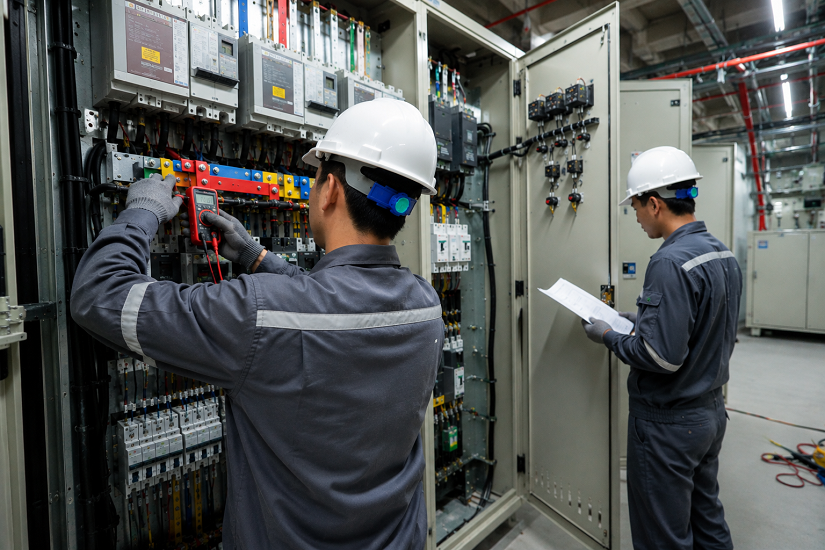
Before a transformer substation can be energized, every electrical component must successfully pass a comprehensive series of inspections and electrical tests. These procedures verify that the installation has been completed correctly, all equipment operates as intended, and the system satisfies both engineering specifications and utility requirements.
Testing and commissioning activities are conducted using calibrated instruments by qualified electrical engineers who are experienced in medium-voltage power systems.
The testing program generally includes:
- Performing comprehensive transformer tests to verify insulation condition, winding integrity, operational performance, and compliance with manufacturer specifications before the transformer is placed into service.
- Conducting medium-voltage cable testing to confirm insulation quality, cable continuity, and dielectric performance while identifying any potential installation defects before energization.
- Measuring insulation resistance throughout the electrical distribution system to ensure all equipment and cable circuits meet the required insulation values for safe operation.
- Verifying the operation of electrical and mechanical interlocking systems to confirm that all switching sequences function correctly and prevent unsafe operating conditions.
- Inspecting and testing the completed grounding system to verify electrical continuity, grounding resistance, and compliance with applicable design standards.
Every inspection result is documented in official testing reports that become part of the project’s final acceptance documentation. These records provide evidence that the transformer substation has been thoroughly evaluated before being connected to the utility network.
STEP 9: TRANSFORMER SUBSTATION ACCEPTANCE
After successful completion of all installation and testing activities, the project enters the acceptance stage. This phase confirms that the completed transformer substation satisfies all contractual requirements, engineering specifications, and utility regulations before power can be supplied.
The acceptance procedure is generally divided into two separate stages to ensure thorough quality verification.
Internal Acceptance
Before inviting the utility company for inspection, our engineering team conducts a comprehensive internal review covering every aspect of the completed installation.
This process typically includes:
- Inspecting construction quality, installation accuracy, equipment labeling, cable identification, and overall workmanship throughout the transformer substation.
- Verifying that all testing procedures have been completed successfully and that every inspection record is properly documented.
- Completing as-built drawings, equipment schedules, operating manuals, maintenance documentation, and all supporting technical records required for project handover.
Utility Acceptance
Once the internal inspection has been completed successfully, the transformer substation is submitted for formal inspection by the local power utility.
During this stage, utility representatives typically:
- Inspect the overall electrical safety of the installation, ensuring that all equipment complies with approved engineering documents and utility regulations.
- Review the complete technical documentation, including testing reports, equipment certificates, construction records, and legal approval documents.
- Grant final approval for energization after confirming that every technical requirement has been fully satisfied.
Successfully completing this acceptance process allows the transformer substation to proceed to the final energization stage without unnecessary delays.
STEP 10: ENERGIZATION AND SYSTEM HANDOVER
After receiving formal approval from the utility authority, the transformer substation is ready for energization and commercial operation. This milestone marks the successful completion of the construction phase and the beginning of normal electrical service for the facility.
Energization is carefully planned and executed under the supervision of both the contractor’s engineers and utility representatives to ensure a safe and controlled startup procedure.
The final commissioning activities generally include:
- Preparing a detailed energization procedure that defines switching sequences, safety precautions, emergency response measures, and communication protocols among all participating personnel.
- Coordinating closely with the local utility company during the energization process to ensure that every switching operation follows approved operating procedures and electrical safety regulations.
- Monitoring transformer loading, voltage levels, protection systems, and operational parameters immediately after energization to verify stable system performance under initial operating conditions.
- Officially handing over the completed transformer substation together with all technical documentation, operating manuals, maintenance recommendations, warranty certificates, and inspection records required by the project owner.
A successful energization demonstrates that the transformer substation has been designed, installed, tested, and commissioned in accordance with all applicable engineering standards and is ready to provide reliable electrical power for long-term operation.
STEP 11: WARRANTY AND MAINTENANCE OF TRANSFORMER SUBSTATIONS
Completing the installation and energization of a transformer substation is not the end of the project. To ensure continuous performance, electrical safety, and long-term operational reliability, a comprehensive warranty and preventive maintenance program is equally important. Regular inspection and maintenance help maximize equipment lifespan, reduce unexpected failures, and protect the owner’s investment throughout the operating life of the facility.
During daily operation, transformers, medium-voltage switchgear, low-voltage switchboards, grounding systems, surge protection devices, and power cables are continuously exposed to electrical loading, temperature fluctuations, humidity, dust, vibration, and environmental conditions. Over time, these factors may gradually affect equipment performance if periodic inspections are not carried out. A preventive maintenance program enables potential issues to be identified and corrected before they develop into major electrical failures.
As part of our turnkey transformer substation services, Triều Minh Engineering provides comprehensive after-sales technical support, including:
- Providing equipment and installation warranties for periods ranging from 12 to 24 months, depending on the equipment manufacturer, project specifications, and contractual requirements.
- Performing scheduled preventive maintenance to inspect transformers, medium-voltage switchgear, protection relays, grounding systems, power distribution equipment, and other critical electrical components.
- Delivering rapid technical support whenever unexpected electrical issues occur, helping clients restore normal operation quickly while minimizing production downtime and operational losses.
- Inspecting electrical connections, tightening cable terminations to the specified torque values, cleaning electrical panels, measuring connection temperatures, and evaluating overall system loading conditions during each maintenance visit.
- Providing engineering consultation for transformer capacity upgrades, system expansion, or future modifications as electrical demand increases over time.
A professionally maintained transformer substation not only operates more efficiently but also significantly reduces the risks of overheating, insulation failure, electrical faults, fire hazards, and costly equipment damage. Preventive maintenance is therefore one of the most effective ways to ensure long-term operational stability while minimizing future repair expenses.
3. TECHNICAL STANDARDS APPLIED TO TRANSFORMER SUBSTATION INSTALLATION
Transformer substation installation is a highly specialized engineering activity that requires strict compliance with technical standards throughout every phase of the project. From engineering design and equipment manufacturing to installation, testing, commissioning, and final acceptance, every procedure must satisfy applicable national regulations and internationally recognized industry standards.
Compliance with established technical standards ensures that the completed transformer substation operates safely, reliably, and efficiently while meeting all utility requirements for grid connection and long-term commercial operation.
3.1 Vietnamese Standards
For projects implemented in Vietnam, transformer substations are designed and constructed in accordance with relevant Vietnamese regulations and utility requirements. These standards provide detailed guidance for electrical safety, construction quality, equipment performance, and commissioning procedures.
The primary standards typically include:
- Vietnamese technical standards governing medium-voltage and low-voltage electrical distribution systems, ensuring proper equipment selection, installation quality, and operational safety.
- Technical regulations covering grounding systems and lightning protection, helping maintain personnel safety while protecting valuable electrical equipment against fault currents and lightning strikes.
- National electrical safety regulations that establish mandatory requirements for construction activities, equipment installation, testing procedures, and system operation.
- Fire protection standards applicable to electrical rooms, transformers, switchgear, cable installations, and associated electrical infrastructure.
- Utility regulations issued by EVN regarding medium-voltage connections, transformer substation approval procedures, inspection requirements, and final energization.
Compliance with these standards enables the transformer substation to satisfy all regulatory requirements while ensuring reliable performance throughout its operational life.
3.2 International Standards
Many modern industrial projects, multinational manufacturing facilities, commercial developments, and foreign-invested enterprises require compliance with internationally recognized engineering standards in addition to local regulations.
International standards improve equipment compatibility, simplify maintenance, and ensure that electrical systems achieve consistent performance under demanding operating conditions.
Commonly applied international standards include:
- IEC (International Electrotechnical Commission) standards governing electrical equipment, power distribution systems, testing methods, protection devices, and installation practices for medium-voltage and low-voltage applications.
- International engineering guidelines for electrical protection systems, equipment coordination, insulation performance, and operational reliability.
- Standardized testing procedures used to evaluate transformer performance, switchgear operation, insulation integrity, and electrical protection systems before commissioning.
- International safety standards governing the operation of medium-voltage equipment, high-capacity transformers, switching devices, and electrical protection systems.
Applying both Vietnamese regulations and international engineering standards enables transformer substations to achieve higher operational reliability, improved equipment compatibility, and greater long-term performance.
3.3 Benefits of Compliance with Technical Standards
Strict compliance with recognized engineering standards provides significant advantages throughout the lifecycle of a transformer substation. Rather than simply satisfying regulatory requirements, proper engineering practices improve system reliability, operational efficiency, and long-term investment value.
Key benefits include:
- Enhancing electrical safety for personnel by reducing the risks associated with electrical faults, arc flash incidents, and accidental contact with energized equipment.
- Extending the service life of transformers, switchgear, power cables, and electrical distribution equipment through proper installation and operating conditions.
- Minimizing the likelihood of equipment failures, unexpected outages, and costly emergency repairs during long-term operation.
- Reducing the risks of overheating, short circuits, insulation breakdown, and electrical fires through appropriate protection and system coordination.
- Simplifying utility inspection, technical acceptance, and final energization by ensuring complete compliance with all applicable engineering requirements.
- Lowering long-term operating costs through improved system efficiency, reduced maintenance requirements, and increased equipment reliability.
4. BENEFITS OF CHOOSING A TURNKEY TRANSFORMER SUBSTATION SERVICE
Many project owners now prefer a turnkey transformer substation solution because it offers greater efficiency, improved quality control, and better coordination throughout the entire project lifecycle. Instead of managing multiple contractors for design, equipment procurement, civil construction, electrical installation, testing, and utility approval, clients work with a single experienced contractor responsible for every stage of the project.
A turnkey contractor manages all engineering activities from the initial site survey through final energization, creating a streamlined workflow that significantly reduces administrative complexity while improving communication among all project stakeholders.
The major advantages of a turnkey solution include:
- Saving valuable project time by coordinating engineering, procurement, construction, testing, and utility approval under one integrated management system.
- Reducing unnecessary costs by eliminating duplicated work, minimizing design conflicts, and preventing delays caused by poor coordination between multiple contractors.
- Maintaining consistency between engineering design, supplied equipment, installation quality, and commissioning procedures throughout the entire project.
- Simplifying utility inspections, legal documentation, and final acceptance by preparing complete technical records and coordinating directly with the power authority.
- Assigning full technical responsibility to a single contractor, making project management more efficient and ensuring accountability from project initiation to completion.
- Reducing operational risks through standardized engineering procedures, experienced project management, and comprehensive quality control during every construction phase.
- Providing better control over project schedules, investment budgets, construction quality, and long-term maintenance planning.
For factories, commercial buildings, industrial parks, logistics centers, and infrastructure developments, a turnkey transformer substation solution allows investors to focus on their core business activities while experienced engineers manage every technical aspect of the electrical power system.

5. WHY CHOOSE TRIỀU MINH ENGINEERING?
Triều Minh Engineering is a professional MEP contractor specializing in transformer substations, medium-voltage electrical systems, industrial power distribution, and comprehensive electrical infrastructure projects. With years of practical experience across manufacturing facilities, commercial developments, industrial parks, office buildings, and infrastructure projects, we deliver reliable engineering solutions tailored to each client’s operational requirements.
Our multidisciplinary engineering team combines practical construction experience with strong technical expertise, allowing us to manage every phase of transformer substation projects efficiently while maintaining the highest standards of safety and quality.
5.1 Extensive Practical Experience
Triều Minh Engineering has successfully completed numerous transformer substation installation projects across a wide range of industries, including manufacturing plants, commercial buildings, warehouses, logistics centers, industrial parks, office complexes, and large-scale infrastructure developments. Our extensive project portfolio enables us to understand the unique technical requirements, operational challenges, and construction constraints associated with different types of facilities.
Years of hands-on construction experience have allowed our engineering team to develop practical installation methodologies that improve construction efficiency while maintaining the highest standards of workmanship. Every project benefits from careful planning, proactive risk management, and close coordination between designers, site engineers, construction supervisors, equipment suppliers, and utility authorities.
Rather than applying the same solution to every project, we customize each transformer substation according to the client’s electrical demand, site conditions, expansion plans, operational requirements, and investment budget. This engineering approach ensures that every completed installation delivers reliable performance while supporting future business growth.
5.2 Strong Expertise in Utility Approval Procedures
Obtaining approval from the local power utility is often one of the most challenging aspects of transformer substation development. Many investors encounter delays because of incomplete documentation, technical revisions, or unfamiliarity with utility procedures. These issues can significantly extend project schedules and postpone facility operation.
Triều Minh Engineering has extensive experience working directly with electricity authorities throughout Vietnam. Our engineering team understands the complete approval process and manages every administrative and technical requirement on behalf of the client.
Our utility support services include:
- Preparing complete engineering documentation required for medium-voltage connection applications while ensuring compliance with current utility regulations and project-specific technical requirements.
- Coordinating directly with utility engineers to review design drawings, respond to technical comments, and revise documentation whenever necessary to accelerate the approval process.
- Assisting clients during technical inspections, acceptance testing, and final energization by providing complete engineering support throughout every stage of utility coordination.
- Monitoring project progress closely and maintaining continuous communication with all relevant authorities to minimize administrative delays and keep construction activities on schedule.
By allowing an experienced contractor to manage these procedures, project owners can focus on their core business operations while reducing the risks associated with utility approvals and technical documentation.
5.3 Installation in Full Compliance with Engineering Standards
Quality construction is the foundation of every reliable transformer substation. At Triều Minh Engineering, every installation activity is performed in strict accordance with approved engineering drawings, manufacturer recommendations, Vietnamese regulations, and internationally recognized IEC standards.
From civil construction and equipment installation to cable termination, grounding, testing, and commissioning, every procedure follows documented quality control processes designed to ensure long-term operational reliability.
Throughout the construction process, our engineers continuously inspect completed work to verify:
- Installation accuracy and compliance with engineering specifications before each subsequent construction stage begins.
- Proper equipment alignment, secure mechanical fastening, and sufficient maintenance clearances to facilitate safe operation and future servicing.
- Correct cable routing, labeling, termination, insulation protection, and grounding connections to ensure both operational efficiency and electrical safety.
- Full compliance with project quality standards before testing, commissioning, and final acceptance by the client and utility authority.
This commitment to engineering excellence enables every transformer substation to achieve reliable long-term performance while meeting the highest standards of electrical safety and construction quality.
5.4 Complete Technical Documentation
A professionally installed transformer substation requires more than high-quality construction. Complete technical documentation is equally important because it supports utility approval, simplifies future maintenance, and provides valuable reference information throughout the operating life of the electrical system.
Triều Minh Engineering prepares comprehensive project documentation that fully complies with contractual requirements and applicable engineering standards.
Our documentation package typically includes:
- Approved engineering drawings, single-line diagrams, equipment layouts, and detailed construction records prepared throughout every stage of the project.
- Complete as-built drawings reflecting the final installation configuration, allowing maintenance personnel to accurately identify equipment locations and cable routing in the future.
- Factory test certificates, Certificates of Origin (CO), Certificates of Quality (CQ), equipment manuals, calibration records, and manufacturer documentation for all major electrical equipment.
- Electrical testing reports, commissioning records, grounding measurements, insulation resistance reports, protection relay settings, and final acceptance documents required for project completion.
Providing complete documentation ensures that clients receive not only a fully operational transformer substation but also a comprehensive technical record that supports future maintenance, system upgrades, and regulatory inspections.
5.5 Transparent Pricing and Cost Optimization
Every investment decision should be supported by clear and accurate cost information. Triều Minh Engineering believes that transparent pricing is essential for establishing long-term trust and helping clients manage their project budgets effectively.
Before construction begins, we prepare a detailed quotation that clearly identifies every major cost component, including engineering design, equipment supply, civil construction, electrical installation, testing, commissioning, documentation, and utility coordination. This detailed approach enables clients to understand exactly what is included in the project while minimizing unexpected expenses during implementation.
Our engineering team also evaluates alternative technical solutions that may reduce investment costs without compromising system safety or operational performance. Through careful equipment selection, optimized engineering design, and efficient construction planning, we help clients achieve the best possible balance between initial investment and long-term operating costs.
6. CONCLUSION
A transformer substation is one of the most important components of any electrical infrastructure project. Its performance directly influences the safety, reliability, and operational continuity of factories, commercial buildings, industrial facilities, residential developments, and infrastructure projects. Because of its critical role, every stage of engineering design, equipment selection, civil construction, electrical installation, testing, commissioning, and utility approval must be performed with precision and strict adherence to recognized engineering standards.
Choosing a professional turnkey transformer substation contractor offers significant advantages throughout the entire project lifecycle. A single experienced contractor can coordinate engineering design, equipment procurement, construction, utility approval, testing, commissioning, and final energization under one integrated management system. This streamlined approach improves communication, shortens project schedules, reduces unnecessary costs, minimizes technical risks, and ensures consistent quality from project initiation to final handover.
A properly designed and professionally installed transformer substation not only enables fast utility connection but also provides long-term operational reliability, improved electrical safety, lower maintenance costs, and greater energy efficiency throughout its service life. As electrical demand continues to increase across industrial, commercial, and infrastructure developments, investing in a high-quality transformer substation has become an essential requirement for sustainable business growth.
With extensive practical experience, qualified engineering professionals, comprehensive project management capabilities, and a strong commitment to quality, Triều Minh Engineering is ready to deliver complete turnkey transformer substation solutions tailored to the specific requirements of every client. From the initial site survey to final energization and ongoing maintenance support, we provide dependable engineering services that help our clients achieve safe, efficient, and reliable electrical power systems for years to come.
7. CONTACT US
If you are looking for a reliable contractor specializing in turnkey transformer substation supply and installation, Triều Minh Engineering is ready to provide professional engineering consultation and comprehensive project support for your next development.
TRIỀU MINH TECHNOLOGY ENGINEERING CO., LTD
Address: 109 Nguyen Thi Nhung Street, Hiep Binh Ward, Ho Chi Minh City, Vietnam
Email: trieuminh@trieuminh.com
Website: https://trieuminh.com
Hotline (Zalo): +84 976 422 223
See more
- HVAC SYSTEM INSTALLATION
- WATER SUPPLY AND DRAINAGE CONSTRUCTION SERVICES
- ELECTRICAL AND ELV INSTALLATION SERVICES
- PROFESSIONAL COMPREHENSIVE MEP MAINTENANCE SERVICES
- FIRE PROTECTION AND FIRE FIGHTING SYSTEM INSTALLATION
- TRIEU MINH PROFILE- MEP CONTRACTOR IN HO CHI MINH
- WHY DO CUSTOMERS CHOOSE TRIEU MINH AS THEIR PARTNER
- TRIEU MINH PROFILE- MEP CONTRACTOR IN HO CHI MINH
- ABOUT TRIỀU MINH COMPANY- MEP CONTRACTOR IN HO CHI MINH CITY
- MEP SERVICES
- FANPAGE TRIỀU MINH